
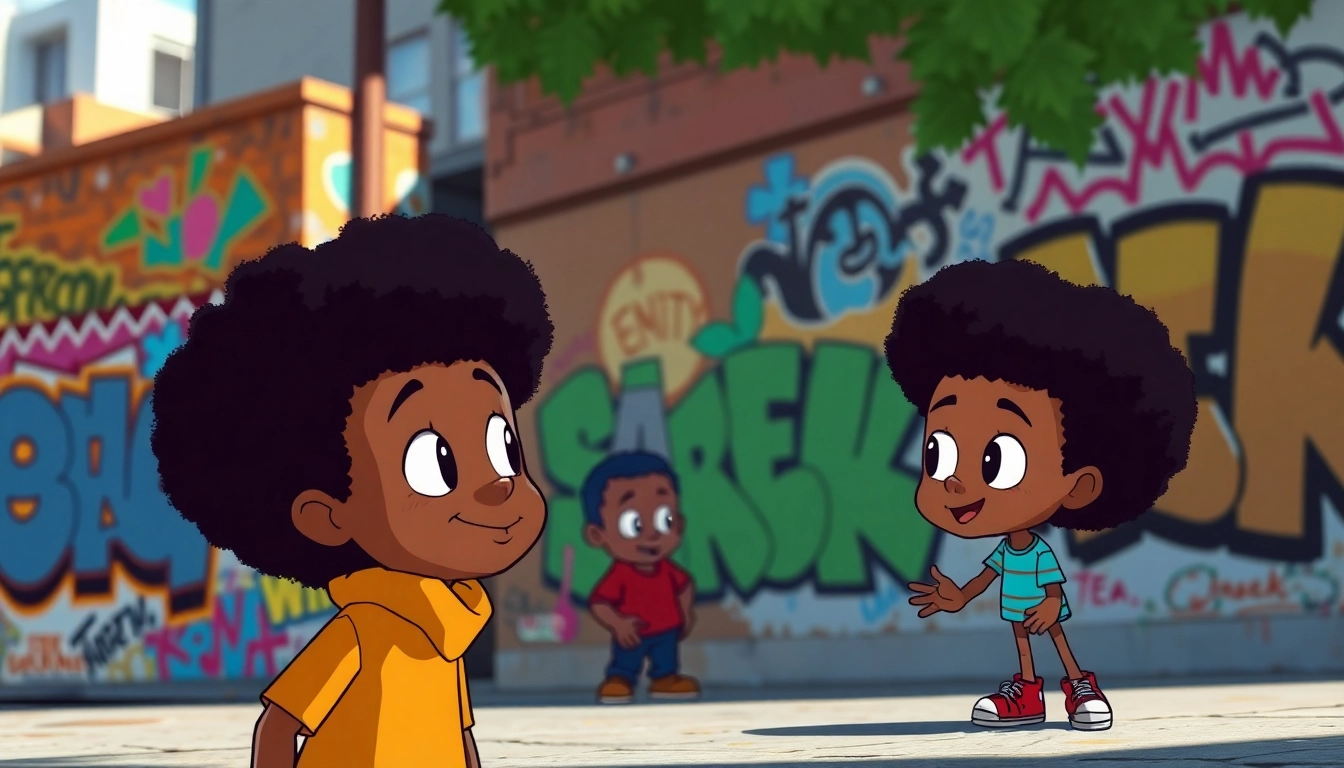
The Cultural Impact of African American Cartoons
The world of animation has long been a mirror reflecting societal values, cultures, and communities. Among the vibrant tapestry of animated storytelling, African American cartoons stand out for their unique perspectives, cultural references, and influential characters. These animated series not only entertain but also educate and invoke pride within the African American community. From pioneering films to modern animated series, the journey of African American animation is a rich narrative worthy of exploration. When exploring options, African American Cartoons offer a plethora of engaging content that highlights this cultural significance.
1. Historical Overview of African American Cartoons
The history of African American cartoons can be traced back to the early 20th century. Notable characters like Felix the Cat and Bugs Bunny often overlooked the contributions and creativity of Black animators and artists. However, the emergence of characters such as “Bebe’s Kids” and shows like “Fat Albert and the Cosby Kids” in the 1970s began to shift this landscape. These early representations sought to challenge stereotypes while providing relatable narratives for Black audiences.
In the 1980s and 1990s, the introduction of shows like “The Boondocks” and “The Proud Family” pushed boundaries further, using humor and satire to comment on social issues. These shows paved the way for future generations of Black animators and writers, influencing countless series that followed. As diverse stories gained traction, they sparked vital conversations about race, identity, and representation in the media.
2. Key Characters that Defined Generations
Characters in African American cartoons often serve as symbols of cultural pride and resilience. Huey and Riley Freeman from “The Boondocks,” for example, explore themes of social justice, making them both relatable and inspirational figures for many viewers. Similarly, characters like Penny Proud from “The Proud Family” offer insights into the everyday lives and challenges faced by African American families.
- Huey Freeman – A young activist challenging societal norms.
- Penny Proud – A teenager navigating adolescence and cultural identity.
- Doc McStuffins – A pioneering character in children’s animation who promotes health and empowerment.
These characters not only entertain but also provide representation that resonates with young viewers, fostering a sense of belonging and acceptance.
3. Contributions of African American Creators
Behind the scenes, African American creators have made significant strides in the animation industry. Visionaries like Aaron McGruder, the creator of “The Boondocks,” and Craig McCracken, known for “The Powerpuff Girls,” have broken barriers and transformed the landscape of animated storytelling. Their contributions highlight the importance of diverse voices in shaping narratives that reflect the complexities of the African American experience.
Moreover, initiatives promoting diversity in animation, including programs and scholarships for aspiring Black animators, exemplify the ongoing efforts to cultivate new talent in the industry. This focus on mentorship and support is crucial for the future of African American cartoons.
Popular African American Cartoons to Watch
1. Must-See Animated Series for Kids
For young audiences, African American cartoons provide entertaining yet educational content. Series such as “Doc McStuffins” and “The Proud Family” are essential viewing. These shows not only tell relatable stories but also promote positive messages surrounding health, friendship, and family values.
- Doc McStuffins – Teaches empathy and healthcare awareness.
- The Proud Family – Celebrates family dynamics and cultural diversity.
- Motown Magic – Introduces the musical legacy of Motown to a new generation.
2. The Evolution of Adult Animation
Adult animation has seen transformative growth, providing a platform for African American narratives that address societal issues. Shows like “The Boondocks” and “Black Dynamite” incorporate humor to tackle complex themes such as systemic racism, identity, and cultural heritage. These series not only entertain but also provoke thought and discussion, illustrating the power of animation as a form of social commentary.
As more adult animated series emerge, the demand for authentic representations of African American experiences continues to rise, heralding a new era of storytelling.
3. Upcoming Releases in 2026
As the animation landscape evolves, several exciting projects are on the horizon for 2026. New series and films featuring African American characters and stories are set to be released, promising to further enrich the genre. Initiatives aimed at boosting diverse storytelling in animation hint at a future filled with innovation and creativity.
Audiences can look forward to reimagined classics and original stories that highlight Black culture, ensuring that the legacy of African American cartoons continues to thrive.
Representation in Animation: Why It Matters
1. The Role of Representation in Childhood Development
Representation matters profoundly in childhood development. Studies show that children who see themselves reflected in media are more likely to develop healthy self-esteem and cultural pride. African American cartoons play a crucial role in affirming the identities of young Black viewers, allowing them to envision a future where they are heroes in their own narratives.
Moreover, these cartoons can act as educational tools, introducing concepts of diversity and inclusion to all children, fostering empathy and understanding from an early age.
2. Addressing Stereotypes and Promoting Diversity
Many African American cartoons actively work to counter harmful stereotypes that have persisted in media. By depicting complex characters and narratives, these shows challenge reductive portrayals and promote a more nuanced understanding of Black culture. Series like “The Boondocks” and “The Proud Family” utilize humor and storytelling to debunk myths and encourage critical thinking among their audiences.
In this way, cartoons not only entertain but also serve as platforms for advocacy and awareness, making their contributions to society invaluable.
3. Case Studies of Successful Diverse Narratives
Examining specific case studies reveals the significant impact of African American cartoons. For instance, “The Proud Family” successfully tackled topics such as systemic racism and cultural appreciation, resonating with audiences of all ages. This series paved the way for discussions about identity and community within families, making it a classic in animated television.
Another example is “Black Dynamite,” which skillfully blends comedy with social critique, making it a standout in adult animation. Its unique approach highlights the importance of humor in addressing serious topics, allowing audiences to engage critically while being entertained.
How to Engage with African American Cartoons
1. Creating Educational Content from Cartoons
Educators and parents can leverage African American cartoons to create engaging, educational content for children. By discussing themes, characters, and narratives, they can foster rich conversations about identity, culture, and social justice. Activities such as watching episodes and then reflecting on the lessons learned can deepen children’s understanding and appreciation of cultural diversity.
2. Community Events Celebrating Animation
Community events can play a vital role in celebrating African American cartoons. Film screenings, panel discussions, and animation workshops can bring people together, highlighting the importance of representation in media. Such gatherings foster connections and allow individuals to share their insights and experiences related to the content.
3. Social Media Platforms for Discussion and Sharing
Social media platforms serve as powerful tools for discussions around African American cartoons. Fans can share their favorite moments, characters, and insights while connecting with others who appreciate the content. Platforms such as Twitter, Instagram, and TikTok are spaces where conversations can flourish, and new creators can find inspiration for their work.
The Future of African American Cartoons
1. Trends Transforming Animation by 2026
The animation industry is rapidly evolving, and by 2026, we can expect to see further integration of technology, such as virtual reality and augmented reality, in storytelling. African American cartoons will likely embrace these advancements, leading to innovative narratives that engage audiences in immersive ways.
2. The Rise of Streaming Services for Diverse Content
As streaming services continue to dominate viewership, the demand for diverse content is on the rise. Platforms are actively seeking out African American cartoons and creators, resulting in more opportunities for storytelling that reflects the richness of Black culture. This trend is likely to shape the future of animation, offering new avenues for representation.
3. Predictions for New Characters and Stories
Looking ahead, we can anticipate the introduction of new characters and stories that reflect the complexities of contemporary life. Creators will draw upon current events and cultural shifts to craft narratives that resonate with audiences. These upcoming African American cartoons will likely tackle themes such as social justice, community, and empowerment, enriching the animation landscape for future generations.