
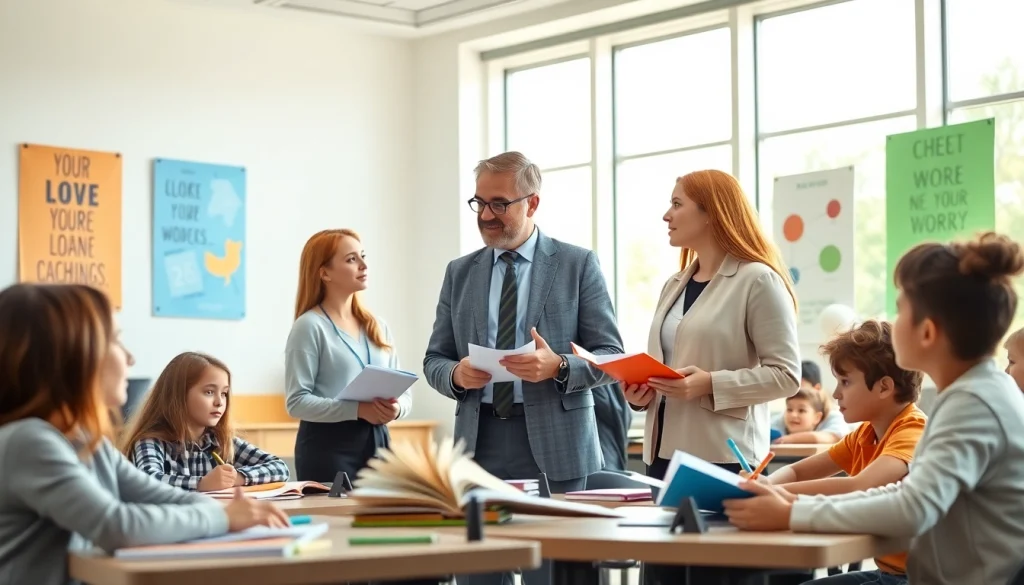
Understanding the Basics of Education
Definition and Importance of Education
Education is a fundamental pillar of society, encompassing the processes through which knowledge, skills, values, and habits are transmitted across generations. Defined broadly, it involves not just formal instruction within schools but also informal learning that occurs in various settings—home, community, and beyond. The significance of education cannot be overstated; it shapes individuals, empowers communities, and fuels national development. A well-educated populace is better equipped to participate in civic life, adapt to changing job markets, and contribute to social progress. Furthermore, education promotes critical thinking and fosters personal growth, allowing individuals to realize their full potential.
As we delve deeper into this topic, it’s essential to explore the evolving landscape of Education, its historical underpinnings, and the myriad forms it takes today.
Historical Context of Education Systems
The concept of education is as old as civilization itself, with roots tracing back to ancient societies that established structured methods of teaching. Early forms of education focused primarily on vocational training, with apprenticeships and mentorships dominating the landscape. The birth of formal education systems can be linked to ancient Greece and Rome, where philosophy and rhetoric were central to learning.
As societies evolved, so did educational paradigms. The Middle Ages saw the rise of universities in Europe, catering to the elite. However, it wasn’t until the 19th century that education began to shift towards accessibility for broader populations, focusing on compulsory schooling and standardized curricula. This era laid the groundwork for the public education systems many countries implement today.
In the contemporary world, the push for equitable access to education continues, with ongoing debates about the quality and nature of educational delivery. The historical context helps us appreciate the strides made and the challenges that persist in creating inclusive and effective education systems.
Types of Education: Formal versus Informal
Education can broadly be categorized into formal and informal types. Formal education refers to structured learning that occurs in institutions, typically guided by a predefined curriculum, such as primary, secondary, and higher education. This form often culminates in recognized qualifications and provides a systematic approach to learning.
On the other hand, informal education encompasses learning that happens outside the conventional classroom setting. It includes self-directed learning, community engagement, and experiential learning through everyday experiences. Informal education plays a crucial role in personal development, enabling individuals to gain knowledge and skills in contexts that resonate with their interests and needs.
The interplay between formal and informal education creates a holistic learning environment, fostering well-rounded individuals capable of navigating the complexities of modern life.
Current Trends Shaping Education
Technology Integration in Education
The integration of technology in education has revolutionized how knowledge is disseminated and absorbed. Digital tools such as online platforms, virtual classrooms, and learning management systems have made education more accessible than ever. Students can now engage with content at their own pace and explore resources beyond their immediate environment.
Moreover, technology facilitates innovative teaching methodologies, including flipped classrooms and blended learning approaches, which promote active learning and collaboration among peers. By traditionalizing the learning experience, educators can cater to diverse learning styles and needs, enhancing engagement and retention.
However, the technological shift also presents challenges, such as the digital divide, where access to resources is unequal. Addressing these gaps is crucial to ensure that technology enhances, rather than hinders, educational equity.
Personalized Learning Approaches
Personalized learning has emerged as a leading trend in contemporary education, recognizing that students have unique learning styles, interests, and paces. This approach tailors the educational experience to meet individual needs, enabling learners to take ownership of their education. Emerging technologies, such as artificial intelligence and adaptive learning software, support this trend by analyzing student performance and adjusting instructional strategies accordingly.
Moreover, personalized learning fosters deeper engagement, as students are more likely to invest in their education when it aligns with their interests. This trend also encourages the development of critical thinking skills, as learners often engage in projects and problem-solving activities tailored to their specific goals and aspirations.
While personalized learning presents exciting possibilities, it necessitates ongoing training for educators to implement these methods effectively and create supportive learning environments that empower all students.
Focus on Social-Emotional Learning
Social-emotional learning (SEL) has garnered significant attention in recent years as an essential component of a comprehensive education. SEL equips students with skills to manage emotions, build relationships, and make responsible decisions—a foundation for lifelong success. By integrating SEL into curricula, educators can foster a positive classroom environment where students feel safe to express themselves and collaborate effectively with their peers.
Moreover, SEL is vital for mental health, as it helps students develop resilience and cope with challenges. Schools that prioritize SEL not only contribute to students’ emotional well-being but also enhance academic performance and reduce behavioral issues.
As the educational community embraces SEL, ongoing research into best practices and effective integration strategies will be crucial to fully harness its benefits.
Challenges in Education Today
Addressing Inequality in Access to Education
Despite advances in educational accessibility, significant disparities persist across socioeconomic, geographic, and cultural lines. Inequality in education manifests in various forms, including inadequate resources, underfunded schools, and limited access to technology. This inequality can have lifelong repercussions, affecting not only academic achievement but also employment opportunities and overall quality of life.
Addressing these inequalities requires a multifaceted approach involving policymakers, educators, and communities. Financial investments in underprivileged areas, equitable distribution of resources, and targeted support programs can help bridge the gap, ensuring that all learners have equal opportunities to succeed.
Overcoming Resistance to Change
The education sector often grapples with resistance to change, an inherent challenge in implementing new educational paradigms. Whether due to entrenched traditions, fear of the unknown, or lack of resources, this resistance can hinder innovation. Stakeholders must cultivate a culture of openness and flexibility, embracing change as a necessary component of growth.
Professional development opportunities for educators, as well as active engagement with students and parents, are vital in overcoming resistance. By demonstrating the value of new approaches and actively involving the community in the educational process, schools can foster a collaborative spirit that encourages experimentation and growth.
Managing Classroom Dynamics
Classroom dynamics play a pivotal role in the effectiveness of education. The interactions among students and between students and teachers can significantly impact learning outcomes. Managing these dynamics requires skillful facilitation, recognizing individual needs, and promoting a culture of respect and inclusivity.
Strategies such as cooperative learning, conflict resolution techniques, and clear communication protocols can enhance classroom dynamics and create a conducive learning environment. Educators must remain attentive to the evolving dynamics in their classrooms, adapting their approaches to meet the needs of their students.
Best Practices for Effective Education
Cultivating a Positive Learning Environment
A positive learning environment is essential for fostering engagement and motivation among students. Such an environment is characterized by mutual respect, support, and encouragement, where students feel valued and confident in expressing their thoughts and ideas. Educators can create this atmosphere through clear expectations, positive reinforcement, and open lines of communication.
In addition, incorporating elements of student choice in learning activities empowers students, promoting autonomy and self-direction. Collaborative projects and peer feedback are also beneficial in nurturing a sense of community and belonging within the classroom.
Implementing Collaborative Learning Techniques
Collaborative learning techniques are pivotal in promoting teamwork and critical thinking among students. By working together on projects or problem-solving tasks, students learn to communicate effectively, appreciate diverse perspectives, and develop interpersonal skills. These skills are essential not only in academic settings but also in future workplaces.
Educators can foster collaborative learning through group activities, peer teaching, and interdisciplinary projects that encourage students to engage with content in meaningful ways. Effective collaboration hinges on clear roles, shared goals, and structured feedback processes to ensure that all participants contribute and benefit from the experience.
Utilizing Diverse Assessment Methods
Diverse assessment methods enrich the educational experience by providing multiple avenues for students to demonstrate their understanding. Traditional assessments, while valuable, often fail to capture the full spectrum of student learning. Alternative methods, such as project-based assessments, presentations, and portfolios, can offer a more comprehensive picture of a student’s capabilities.
Incorporating diverse assessments also allows educators to tailor feedback to individual learning styles, promoting growth and development. By varying assessments, students can engage with content in ways that resonate with them, enhancing motivation and learning outcomes.
Measuring Success in Education
Key Performance Indicators for Educators
Measuring success in education involves evaluating various indicators that reflect the effectiveness of teaching and learning processes. Key performance indicators (KPIs) may include student achievement scores, graduation rates, and engagement metrics. However, standardized tests alone do not provide a complete picture. Qualitative measures, such as student feedback and teacher self-evaluations, are equally important.
By employing a holistic approach to evaluation, educators and institutions can identify areas for improvement, celebrate successes, and tailor programs to better meet the needs of students.
Feedback Mechanisms for Continuous Improvement
Feedback mechanisms play a crucial role in fostering continuous improvement in education. Effective feedback helps students understand their strengths and areas for growth while guiding educators in refining their instructional strategies. Regular assessments, peer evaluations, and reflective practices provide valuable insights that contribute to an ongoing cycle of learning.
Creating a culture of feedback, where both students and educators are open to receiving and giving constructive input, is essential for fostering a growth mindset. This approach empowers learners to take ownership of their educational journey, leading to improved outcomes.
Long-Term Impact on Student Development
The long-term impact of education on student development extends far beyond academic performance. A well-rounded education shapes character, instills a sense of responsibility, and equips students with the skills necessary to navigate life’s challenges. Those who have access to quality education are better positioned to contribute positively to society and pursue fulfilling careers.
Ultimately, the goal of education is to nurture informed, engaged citizens who are capable of critical thinking and social contribution. A commitment to excellence and equity in education will yield benefits not only for individuals but for society as a whole.