
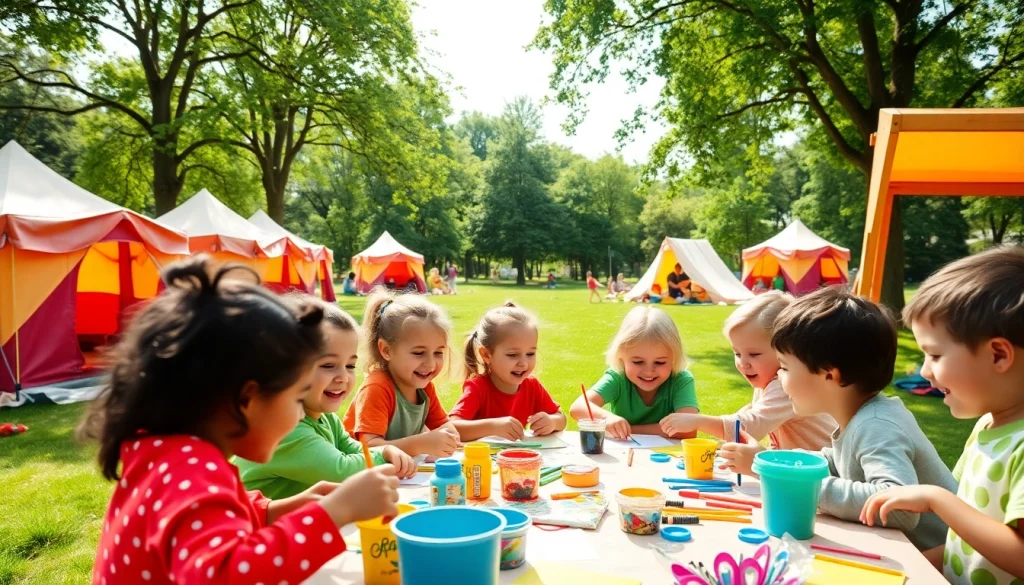
Understanding Holiday Camps
The Concept of Holiday Camps
Holiday camps are specialized programs designed for children during school breaks, providing a mix of educational, recreational, and social experiences. They offer a structured environment where kids can engage in various activities while their parents are at work or busy with other commitments. These camps vary greatly in focus and structure, ranging from traditional outdoor camps to specialized programs focusing on arts, sports, and academic enrichment. They serve as a safe, fun, and nurturing space for children to explore new interests, develop skills, and make lasting memories.
Why Parents Choose Holiday Camps
Parents opt for holiday camps for numerous reasons. One primary motivation is the opportunity for children to immerse themselves in a structured schedule, which differs significantly from the unstructured nature of home life during school breaks. Holiday camps promote physical activity, socialization, and skill development, while also alleviating some of the childcare burden on parents. Furthermore, these camps can introduce children to new friendships and connections, develop their interests, and reduce screen time.
Different Types of Holiday Camps
Holiday camps can be broadly categorized based on their focus and activities offered. Here are the main types:
- Sports Camps: Focused on athletic training in various sports, from soccer to swimming.
- Arts Camps: Encourage creativity through visual arts, drama, music, and dance.
- STEM Camps: Concentrate on science, technology, engineering, and math, often featuring hands-on projects and experiments.
- Adventure Camps: These provide outdoor activities like hiking, kayaking, and rock climbing.
- Traditional Camps: Offer a variety of activities including swimming, arts and crafts, and nature walks.
Essential Activities at Holiday Camps
Arts and Crafts at Holiday Camps
Arts and crafts are integral components of many holiday camps, providing children with opportunities to express themselves creatively. Activities can include painting, pottery, collage-making, and various other crafts. The skills developed through arts and crafts extend beyond creativity; they also enhance fine motor skills, following instructions, and problem-solving abilities.
Sports and Outdoor Challenges
Physical activities are a cornerstone of most holiday camps. Sports and outdoor challenges not only promote physical health but also teach essential life skills such as teamwork, discipline, and resilience. Children can participate in team sports, individual challenges, or cooperative games, fostering a sense of achievement and inclusivity among peers.
Science and Technology Initiatives
With a growing emphasis on STEM education, many holiday camps offer science and technology-focused activities. Children engage in experiments, coding workshops, and robotics projects that nourish their curiosity and critical thinking. These activities can spark an early interest in scientific fields and sometimes even lead to lifelong passions.
How Holiday Camps Enhance Social Skills
Building Friendships and Community
Holiday camps provide an excellent platform for children to socialize and meet new friends. Through shared experiences and cooperative activities, children learn to navigate social environments, fostering connections that can last beyond camp. This sense of community helps children develop a sense of belonging and acceptance.
Teamwork and Cooperation Activities
Many camp activities emphasize teamwork, requiring children to work together to achieve common goals. Whether it’s participating in team sports, completing group projects, or engaging in team-building exercises, kids learn the importance of cooperation, communication, and collective strategies.
Conflict Resolution in Groups
Interactions at camps inevitably lead to conflicts, whether minor disagreements or more significant issues. Holiday camps often teach conflict resolution strategies, helping children learn to navigate these situations constructively. Skills acquired in these settings can lead to better interpersonal skills and more positive relationships both in and out of camp.
Financial Planning for Holiday Camps
Understanding Camp Costs
Parents need to understand the financial implications of holiday camps. Costs can vary significantly based on the type of camp, duration, and specific activities offered. Some camps may charge a flat rate for the entire session, while others may have daily fees. Preparation and research can help identify budget-friendly options that meet a child’s interests.
Finding Financial Aid and Discounts
Many holiday camps offer financial aid or sliding scale pricing based on family income to make their programs accessible to a wider range of participants. Discounts for early registration or family memberships may also be available. Parents should inquire about any financial assistance programs to ease the cost burden.
Setting a Camp Budget
When planning for holiday camps, it’s crucial to establish a budget that considers all potential costs, including registration fees, supplies, transportation, and any additional expenses for special activities. By outlining a comprehensive budget, parents can avoid surprises and ensure an enjoyable experience for their children.
Frequently Asked Questions about Holiday Camps
How do I choose the right holiday camp?
Begin by assessing your child’s interests and preferred activities. Research available camps, review their curricula, and reach out for recommendations. Consider factors like location, duration, safety ratings, and staff qualifications before making a decision.
What should children bring to holiday camps?
Essentials include a refillable water bottle, sunscreen, appropriate clothing for weather, and any specific gear required for activities. A personal lunch or snacks may also be necessary depending on the camp’s policies.
Are holiday camps safe for my children?
Most reputable holiday camps prioritize safety, implementing measures like staff training, emergency protocols, and supervision ratios. Review each camp’s safety protocols before enrolling your child.
How do holiday camps structure their daily activities?
Daily schedules typically balance structured activities (like sports or arts) with free play, ensuring children remain engaged without feeling overwhelmed. Most camps also allow some choices in activity selection, adapting to children’s interests.
Can children attend multiple holiday camps?
Yes, many children participate in multiple camps throughout a holiday break. Parents should assess the feasibility regarding transportation, scheduling, and whether the child may become fatigued by back-to-back activities.