
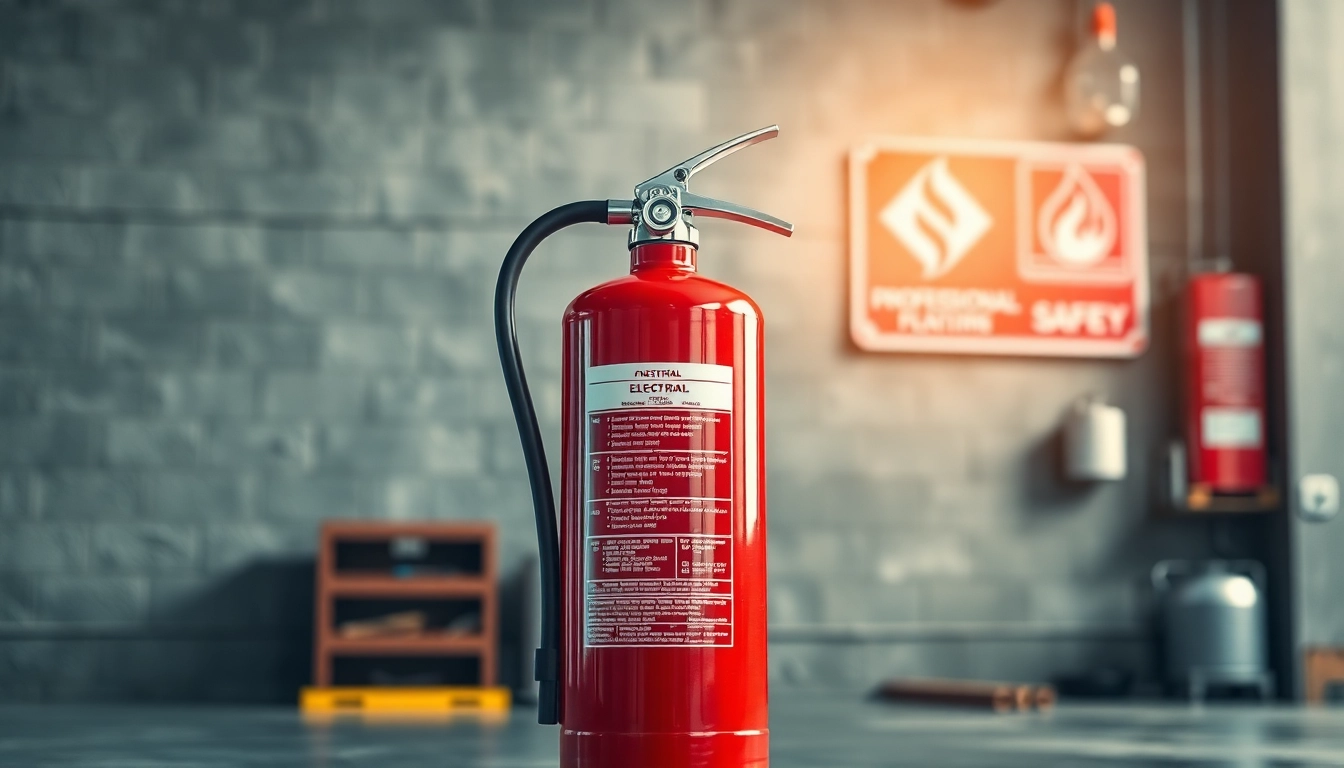
Understanding Electrical Fire Extinguishers
Electrical fires are distinctive and can be significantly more dangerous than typical domestic fires. They often occur due to faulty equipment, overloaded circuits, or improper usage of electrical appliances. This is where the need for specialized safety equipment like an electrical fire extinguisher becomes paramount. Understanding the types and applications of these extinguishers can ultimately save lives and property.
Types of Electrical Fire Extinguishers
Electrical fire extinguishers are classified primarily based on the type of extinguishing agent they use and the class of fire they target. The most common types include:
- Class C Fire Extinguishers: These are specifically designed for fires involving electrical equipment. Using a non-conductive extinguishing agent, Class C fire extinguishers put out flames without putting the user at risk of electrical shock.
- CO₂ Extinguishers: These extinguishers displace oxygen and cool the flames, making them effective for electrical fires. They do not leave a residue, which makes them ideal for use around sensitive electrical equipment.
- Powder Extinguishers: Dry powder extinguishers (Class D) can also be used for electrical fires, but it’s essential to choose those rated for Class C fires to ensure effectiveness.
How They Differ from Standard Fire Extinguishers
Standard fire extinguishers, such as water-based or foam types, are not suitable for electrical fires. Water conducts electricity, presenting a severe hazard. Electrical fire extinguishers, on the other hand, utilize agents that do not conduct electricity, such as CO₂ and dry chemical powder. Furthermore, they are marked with an emblem of a “C” to specify their suitability for electrical fires. Understanding these distinctions is critical in ensuring safety during fire emergencies.
When to Use an Electrical Fire Extinguisher
Knowing when to use an electrical fire extinguisher can be a matter of life or death. Here are the key moments to activate one:
- Follow Safety Protocols: Make sure you have the correct extinguisher and are following safety practices — never attempt to extinguish a large electrical fire on your own.
Prioritize evacuation and call the fire department if the fire escalates beyond control.
Key Features to Look For
When selecting an electrical fire extinguisher, certain features are non-negotiable. Here’s a breakdown of what you need to keep in mind:
Certification and Ratings of Electrical Fire Extinguishers
Always look for fire extinguishers that are certified by recognized organizations such as Underwriters Laboratories (UL) or National Fire Protection Association (NFPA). These certifications assure that the extinguisher has undergone rigorous testing and meets specific standards for effectively combating electrical fires.
Capacity and Size Considerations
Fire extinguishers come in various sizes, generally ranging from 2.5 lbs to 20 lbs. Selecting the right capacity depends on your specific environment:
- Home and Small Offices: A 2.5 to 5 lbs extinguisher is generally sufficient for most residential applications.
- Commercial Settings: Larger extinguishers of 10 lbs or more may be necessary to cover larger areas or higher risks associated with electrical fires.
Ease of Use and Accessibility
Choose extinguishers that are easy to operate, even for those who may be less familiar with them. Look for features such as:
- Clear instructions on the canister.
- Ergonomic handles.
- Easy-to-read pressure gauges.
Accessibility is also crucial; extinguishers should be stored in prominent, easily reachable places.
Installation and Placement Guidelines
Proper installation and placement of electrical fire extinguishers contribute significantly to fire safety. Here’s what to consider:
Recommended Locations for Electrical Fire Extinguishers
Strategically placing electrical fire extinguishers can make the difference during an emergency. Consider the following locations:
- Near electrical appliances and equipment.
- Close to exits for easy access.
- In basements or attics where electrical systems may be present.
Proper Mounting Techniques
Follow the manufacturer’s guidelines for mounting extinguishers. Typically, they should be mounted approximately 3 to 5 feet above the ground and in locations clearly marked with signage. Avoid placing them in areas where visibility may be obstructed.
Regular Maintenance and Inspection Tips
Routine maintenance is critical for all fire extinguishers:
- Monthly Inspections: Check the pressure gauge and ensure it is in the green zone.
- Annual Professional Inspection: Hire a certified technician to conduct thorough inspections and servicing of extinguishers.
Regular maintenance ensures the reliability and effectiveness of the extinguishers when needed.
Common Myths and Misconceptions
Misunderstandings about electrical fires and extinguishers can lead to devastating consequences. This section aims to debunk common myths surrounding electrical fire safety.
Debunking Myths about Electrical Fires
A common myth is that only industrial or high-risk environments need electrical fire extinguishers. In reality, residential settings can also pose significant risks due to the prevalence of electronic devices and appliances.
Misunderstandings About Extinguisher Types
Another misconception is that all fire extinguishers can handle electrical fires equally. Users must understand their extinguishers’ ratings and how they differ. Using the wrong type can exacerbate the fire situation.
The Importance of Ongoing Education
Continuing education about fire safety and equipment use is essential to prevent accidents. Regular training sessions and workshops can reinforce the proper use of extinguishers and promote awareness of fire hazards.
Case Studies and Practical Applications
Real-world examples showcase the importance of having the right fire extinguishers available and highlight lessons learned from incidents.
Real-Life Examples of Electrical Fire Incidents
Consider a case in a small office where an overloaded power strip ignited a significant electrical fire. A properly positioned CO₂ extinguisher was utilized and successfully put out the flames before they spread.
Success Stories of Effective Fire Management
In a residential setting, a homeowner had invested in a proper electrical fire extinguisher. When an electrical short caused flames to erupt from an outlet, they quickly accessed the extinguisher, effectively managing the small fire until professional help arrived.
Lessons Learned from Electrical Fire Exposures
After experiencing an electrical fire, many organizations conduct debriefs. Lessons learned often focus on enhancing safety protocols, providing better training for employees, and ensuring that safety equipment like electrical fire extinguishers is both accessible and functional.