
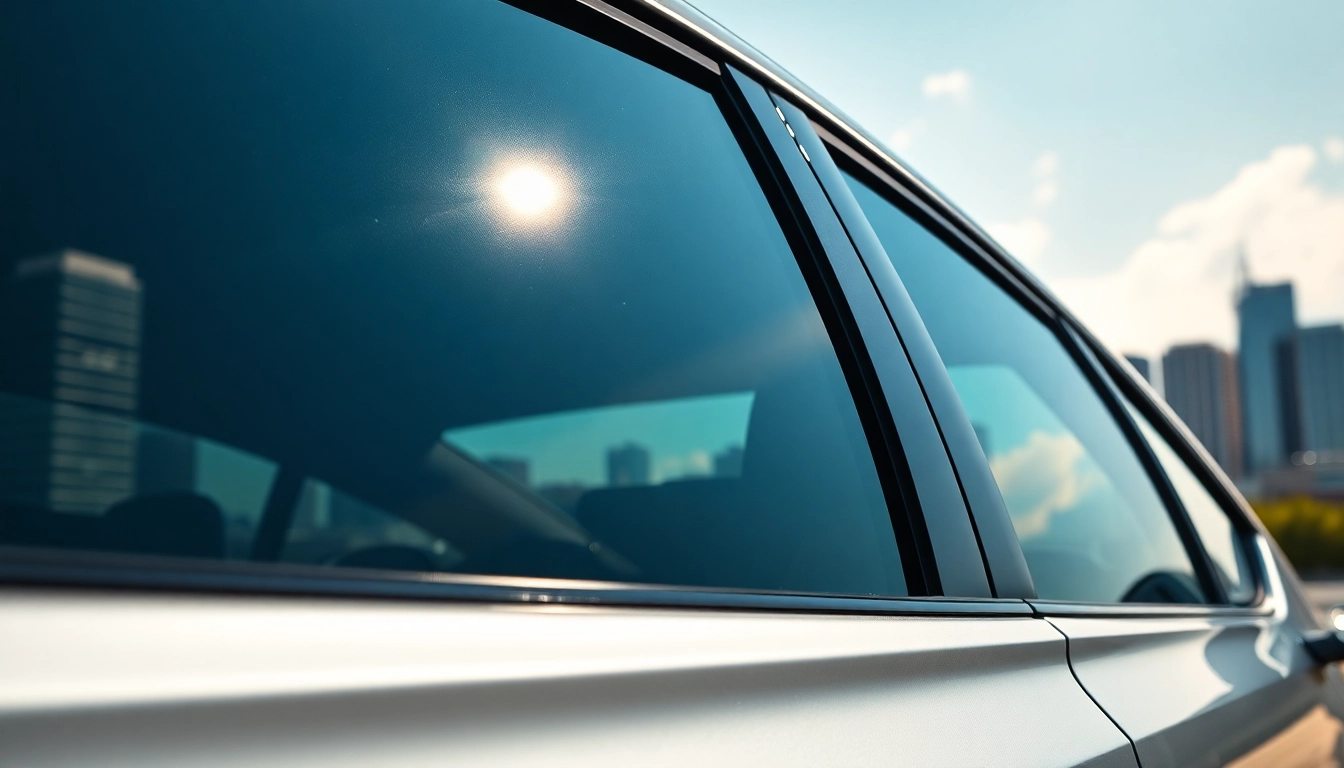
Understanding Window Tinting Cleveland TN
What Is Window Tinting?
Window tinting refers to the process of applying a thin film to the glass surfaces of vehicles, buildings, or homes to reduce heat, glare, and UV exposure. The films come in various shades and strengths, allowing for customization based on personal preference and legal requirements. This practice enhances privacy, adds aesthetic appeal, and often extends the life of upholstery and interior components by protecting them from harmful sunlight.
Benefits of Window Tinting Cleveland TN
Choosing window tinting Cleveland TN comes with several advantages:
- UV Protection: Tinted windows block up to 99% of harmful ultraviolet rays, safeguarding both occupants and interiors.
- Temperature Regulation: Window film can reduce solar heat gain by up to 60%, making vehicles and homes more comfortable and energy-efficient.
- Glare Reduction: Tints minimize glare from the sun, improving visibility for drivers and creating a more pleasant environment indoors.
- Privacy: Darker tints provide an increased level of privacy, preventing outsiders from peering inside and protecting personal belongings.
- Aesthetic Enhancements: Tints can improve the overall look of a vehicle or space, giving it a sleek, sophisticated appearance.
Types of Window Tinting Films
Understanding the various types of window tinting films available is essential for making an informed choice:
- Dye-Based Films: These films are infused with dye and are popular for achieving darker tints. While they provide aesthetics and UV protection, they may fade over time.
- Metalized Films: Incorporating tiny metallic particles, these films are durable and highly effective at blocking heat and glare. They can interfere with electronic devices, though.
- Carbon Films: Made from carbon particles, these films effectively block heat and UV rays while maintaining a darker appearance without fading.
- Ceramic Films: The latest technology in window tinting, these films are non-metallic and highly effective. They apply advanced technology for UV and heat rejection without interfering with signals.
Choosing the Right Window Tinting Option
Film Types: Which One is Best?
Each film type has its own advantages and shortcomings. The best choice depends on individual requirements:
- If you seek aesthetic enhancement with moderate UV protection, dyed films may suffice.
- For maximum heat rejection and durability, consider metalized or carbon films.
- For the best performance without compromising technology in vehicles, ceramic films represent the leading edge.
Legal Considerations in Cleveland TN
Adhering to local laws is crucial when selecting window tinting options. In Cleveland, TN, the law sets restrictions on the Visible Light Transmission (VLT) percentages:
- Front Windshield: Must allow more than 70% of light in.
- Front Side Windows: Must allow more than 35% light in.
- Back Side Windows: No restrictions on VLT levels.
- Rear Windows: No restrictions on VLT levels.
Non-compliance can lead to fines and mandatory removal of illegal tints, so always check updated regulations before installation.
Choosing a Reliable Tinting Service
Finding a reputable service is vital for a satisfying window tinting experience. Look for the following qualities:
- Experience: Select a company with a proven track record and expertise in various types of window films.
- Certifications: Ensure the technicians are trained and certified for compliance with local laws.
- Warranty: A reliable service provider will offer warranty options on both the product and installation work.
- Customer Reviews: Check online reviews and testimonials to gauge past customer satisfaction.
Window Tinting Installation Process
Preparation Steps Before Tinting
To ensure successful installation, several preparation steps should be taken:
- Clean the windows thoroughly to remove dirt and grime for better adhesion.
- Gather necessary documentation related to legal tint limits.
- Consider the climate; avoid installation in extreme temperatures as they can affect adhesive performance.
- Schedule installation when you can avoid using the vehicle or room for several hours to allow for curing time.
The Installation Process Explained
The installation process generally follows these steps:
- The technician measures each window to cut the tint film accurately.
- The film is applied and positioned carefully on the window surface.
- Heat or additional tools may be used to ensure proper adhesion without bubbles.
- The edges are trimmed, and final quality checks are performed before completion.
Post-Installation Care Tips
Ensuring the longevity of window tinting involves proper care after installation:
- Avoid rolling down windows for at least three to five days to allow the film to cure properly.
- Use only non-abrasive cleaning materials to prevent scratching the film.
- Regularly inspect the tint for any signs of bubbling or peeling and consult the installer if issues arise.
Frequently Asked Questions about Window Tinting Cleveland TN
How long does window tinting last?
With proper care, quality window tinting can last between five to ten years, depending on the film type and environmental conditions.
Can I remove window tinting myself?
While possible, it’s recommended to consult professionals for tint removal to avoid damaging the glass or leaving residue.
Is window tinting expensive?
Costs vary based on vehicle size and film type, but most range from $200 to $600. Factors influencing prices include labor and product quality.
Enhancing Your Experience with Window Tinting Cleveland TN
Customer Testimonials and Experiences
Many customers express satisfaction after seeing the difference tinting makes in their vehicles and homes. Positive feedback often notes improvements in comfort and aesthetics, validating the investment.
Common Mistakes to Avoid
Avoid these pitfalls when considering window tinting:
- Choosing the cheapest option without considering quality and durability.
- Ignoring local laws regarding tint percentages, which can lead to fines.
- Neglecting to maintain the tint, reducing its effective lifespan.
Measuring Window Tinting Impact
Evaluating the impact of window tint can be done through several metrics:
- Measure temperature differences inside and outside a car or space before and after tinting.
- Monitor UV exposure through personal experience over time.
Products may also come with ratings regarding their heat rejection capabilities and other benefits that can aid in measurement.