Understanding Accommodation Types
Exploring Different Accommodation Options
When it comes to planning a trip, one of the most crucial factors to consider is your choice of Accommodation. The type of lodging you select can significantly impact your travel experience, comfort, and overall satisfaction. This is why understanding the variety of accommodation options available is essential for every traveler. From hotels to home rentals, there’s a wide spectrum of choices tailored to various preferences, budgets, and needs.
Hotels are often the default option for many travelers. They offer predictable standards of service and comfort and often feature amenities like on-site restaurants, room service, and pools. However, many alternatives have emerged, providing travelers with diverse experiences. For example, hostels have gained popularity among budget travelers for their social and communal settings, while vacation rentals like Airbnb allow visitors to enjoy a more homely atmosphere.
Hotel vs. Alternative Lodging
Hotels typically have a structured environment with specific amenities such as daily housekeeping, concierge services, and business facilities. They can be a great fit for both business trips and leisure travels, especially in urban areas where proximity to attractions is vital. However, their homogenized experience may not appeal to those seeking authenticity in their travels.
On the other hand, alternative lodging options like guesthouses, homestays, and boutique hotels provide unique experiences and the opportunity to engage with local cultures. For instance, staying in a homestay allows you to connect with the local community, participate in traditional meals, and discover hidden gems that might not be on the tourist radar. This option fosters a deeper understanding of the place you are visiting, though it may come with variations in comfort compared to conventional hotels.
Choosing Based on Travel Needs
Your choice of accommodation should align with your specific travel needs and expectations. For those traveling for business, a hotel with reliable Wi-Fi, meeting facilities, and a central location may take precedence. Leisure travelers with families might find vacation rentals with kitchens and multiple bedrooms more accommodating, catering to the diverse needs of group travel.
When traveling solo, both hotels and alternative lodgings can offer something unique. Hotels may provide more security and comfort, while hostels often have a vibrant atmosphere perfect for meeting people. Ultimately, evaluating your travel goals will help narrow down accommodation options that best suit your itinerary.
Key Features to Look for in Accommodation
Amenities That Enhance Your Stay
Amenities can significantly influence your choice of accommodation, enhancing your overall experience. Basic amenities like clean bedding and hot water are essential, but consider the additional features that can make your stay more enjoyable. Look for accommodations offering free Wi-Fi, breakfast, and laundry services, which can save you time and money.
Furthermore, consider amenities that cater to relaxation and recreation, such as pools, gyms, and spas. If you’re traveling with family, kid-friendly amenities like playgrounds or babysitting services may also be beneficial. For business travelers, features like a business center and meeting rooms can be crucial.
Accessibility and Location Factors
Location is one of the most critical aspects of any accommodation. It affects not only the convenience of getting to local attractions but also the overall ambiance of the area. Ideally, you want to be near key points of interest, whether they are cultural sites, dining establishments, or shopping districts.
Accessibility is also paramount. Ensure that the accommodation is reachable by public transport or offers adequate parking for those driving. Additionally, check if the place is equipped for persons with disabilities, as ensuring easy access can greatly enhance your comfort during your stay.
Price Versus Value Analysis
Understanding the balance between price and value is essential when selecting accommodation. While it may be tempting to go for the cheapest option available, consider what you are actually paying for. A low-cost lodgings may lack essential amenities or services, leading to a less enjoyable experience overall.
Contrarily, more expensive accommodations often include value-added services that justify the price difference. Conducting a thorough comparison of what is included at each pricing tier can help you make an informed decision. Look for deals, promotions, and reviews to better understand if the cost reflects the value you're receiving.
Booking Accommodation: Best Practices
Timing Your Reservations
Timing plays a crucial role in securing the best accommodation deals. Prices for hotels and rentals fluctuate based on demand, seasonal trends, and local events. Booking your accommodation well in advance, especially during peak tourist seasons or holidays, generally ensures better rates and availability.
Last-minute bookings might lead to better deals in some cases but can also limit your choices significantly, especially if you require specific amenities or locations. Consider using fare forecasting or price alert tools that inform you of price drops for the accommodations you are interested in to optimize your booking timing.
Utilizing Online Platforms Effectively
There is a plethora of online platforms available for booking accommodations. Familiarizing yourself with different platforms can help you find the best options for your needs. Websites typically provide detailed filters, allowing you to customize your search based on price, amenities, ratings, and location.
Remember that reading customer reviews plays a critical role in understanding the reality of accommodations. Sites often feature user-generated content that can provide insights into the experiences of real travelers. This information can help you weigh your options more effectively.
Understanding Cancellation Policies
Having clarity on cancellation policies before booking accommodation is crucial, especially in our unpredictable world. Each property has its own set of rules regarding cancellations, and understanding these can save you money and stress in case of a change in travel plans.
Flexible booking options allow you to cancel or modify your reservations without steep penalties, while more restrictive policies might result in losing your deposit or total payment if you cancel. Always read the fine print and consider opting for accommodations that provide additional flexibility during uncertain times.
Maximizing Your Accommodation Experience
Tips for Comfort and Convenience
Once you've secured your accommodation, the focus shifts to ensuring a comfortable stay. Going beyond basic needs, consider what will enhance your overall experience. Packing items like travel pillows, sleep masks, or your own toiletries can increase comfort, especially if you anticipate the accommodation's offerings to be limited.
Additionally, communicate with your hosts or property managers if you have specific requests or requirements; they might be more than willing to assist. This proactive approach fosters goodwill and can lead to an enhanced experience throughout your stay.
Making the Most Out of On-Site Amenities
Many accommodations offer facilities that can elevate your stay, but using them effectively requires awareness. If your accommodation includes a gym or pool, make time to utilize these amenities. They not only enhance your experience but can also help maintain your routine while traveling.
Engaging with other guests utilizing similar amenities can also lead to new friendships and recommendations, enriching your travel experience further. Whether it’s at a community barbecue or just meeting fellow travelers in the lobby, these interactions can often lead to valuable insights and connections.
Engaging with Local Culture
To maximize your stay, immerse yourself in the local culture surrounding your accommodation. Research local events, markets, or festivals that may coincide with your visit. Engaging in community activities can provide a richer understanding of the place you are visiting, allowing for memorable experiences that go beyond typical tourist activities.
Consider asking your accommodations for recommendations on local dining or attractions as they can often provide personalized insights that guide you toward authentic experiences, connecting you more deeply with the destination.
Future Trends in Accommodation
Emerging Technologies Impacting Travel
The travel industry is witnessing rapid technological advancements that are reshaping the way we experience accommodation. Mobile apps enabling seamless check-ins and keyless room access are becoming commonplace, making the arrival process smoother for guests.
Moreover, the rise of artificial intelligence and data analytics allows accommodations to personalize offers based on guest preferences and behavior. Smart rooms equipped with IoT devices can adapt to individual preferences, enhancing comfort and efficiency. Future travelers can expect an even more convenient and tailored experience as these technologies continue to evolve.
Sustainability in Accommodation Choices
As environmental concerns become increasingly prominent, sustainability in accommodations is emerging as a priority for travelers. Eco-friendly hotels and lodges that incorporate green practices, such as energy-efficient appliances, recycling programs, and organic produce sourcing, are gaining traction.
Travelers are now more conscientious of their choices and often prefer accommodations that contribute to the sustainability of local communities and natural resources. This trend not only supports ecological well-being but also promotes responsible travel that enhances educational and cultural experiences.
Predictions for the Hospitality Industry
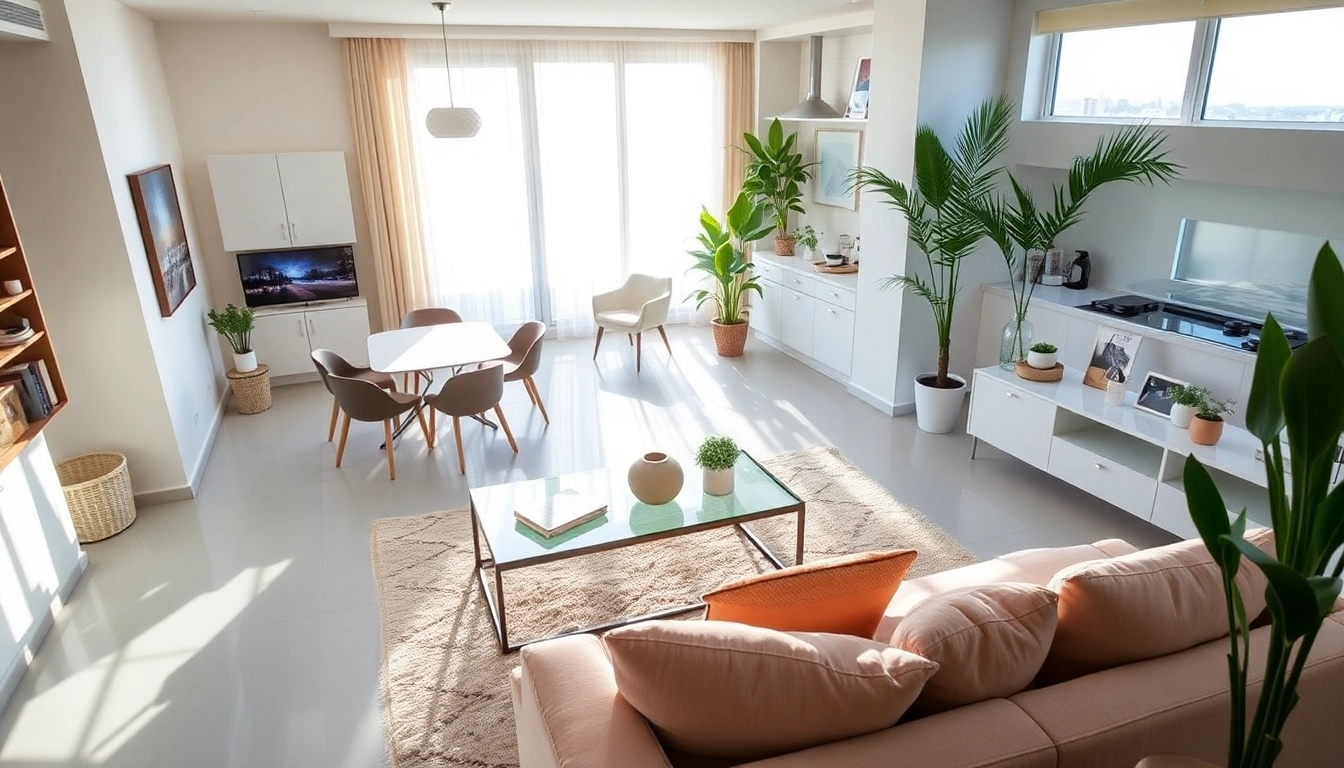
The hospitality industry is expected to adapt and innovate continually in response to changing traveler expectations and environmental sustainability. Predictions suggest a shift toward hybrid accommodations that blend traditional hotel services with apartment-style amenities, providing guests with a more home-like experience.
Ever-evolving consumer preferences will lead to increased competition among hospitality providers that offer unique experiences tailored to the traveler’s desire for customization. These trends indicate a future where accommodation not only provides a place to stay but also enhances the overall journey in a meaningful way.