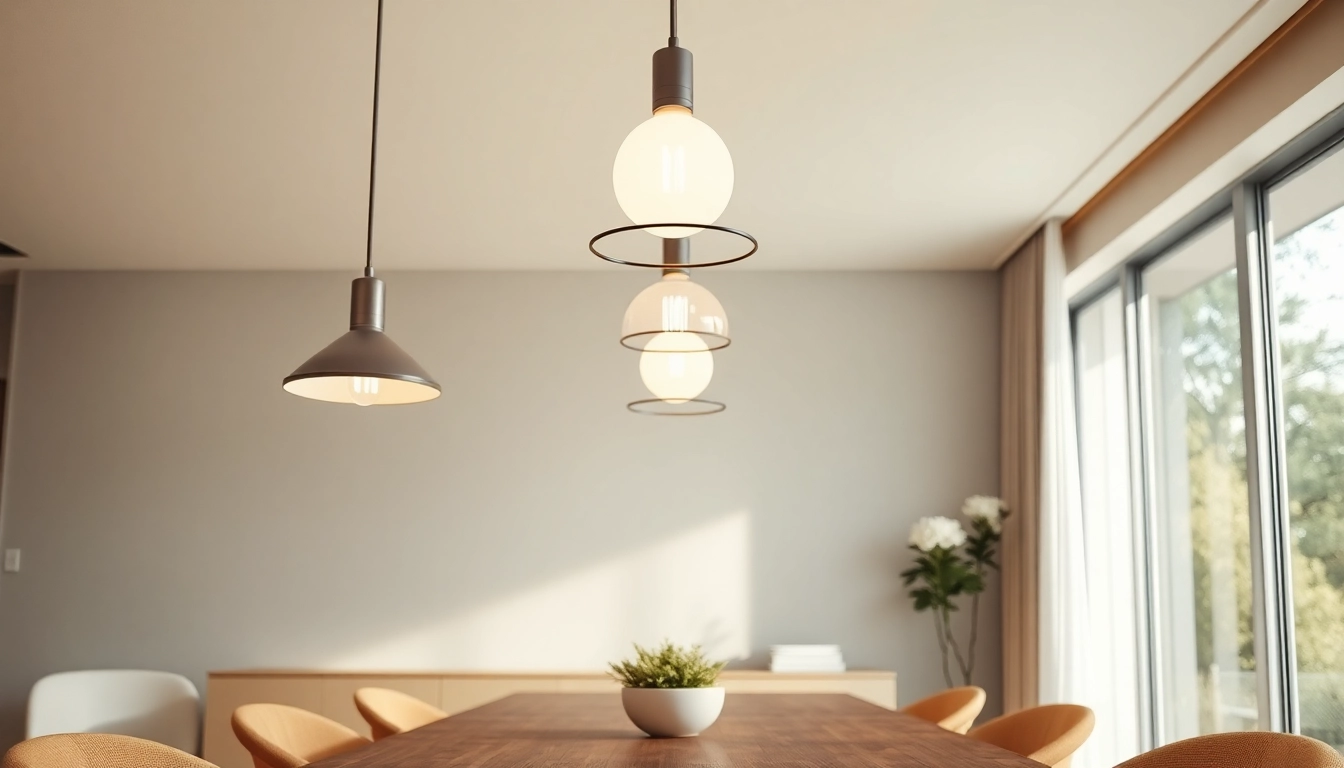
Understanding Sleek Illumination
What is Sleek Illumination?
Sleek Illumination refers to a modern lighting design approach that emphasizes minimalism, efficiency, and elegance. This concept transcends mere aesthetics; it intertwines function with style, utilizing innovative technologies and designs to create spaces that are both inviting and practical. In an era where design trends shift rapidly, Sleek Illumination stands as a hallmark of sophistication, often characterized by clean lines, subtle forms, and a focus on integrating lighting seamlessly into the environment. The intention is to foster a harmonious atmosphere that enhances the overall experience of a space—be it residential, commercial, or outdoor.
Benefits of Sleek Illumination in Interior Design
The benefits of implementing Sleek Illumination in interior design are manifold. First and foremost, it enhances the visual appeal of any space, creating a more open and airy environment. By using fixtures that blend into the backdrop, it allows for an unobtrusive form of lighting that draws attention to architectural features or decor rather than the sources of illumination themselves.
Additionally, Sleek Illumination promotes energy efficiency. Modern LED technologies not only consume less power but also offer a wide spectrum of color temperatures and intensities, enabling you to adapt your lighting effortlessly for different activities or moods. This adaptability not only saves energy but also reduces utility costs, making it appealing for both residential and commercial applications.
Furthermore, Sleek Illumination supports psychological well-being. Studies suggest that the right lighting can significantly affect mood, productivity, and even health. By adjusting brightness levels and color temperatures, you can create an atmosphere conducive for relaxation in living spaces or boost energy in work environments.
Trends Influencing Sleek Illumination
Trends in Sleek Illumination evolve with technological advancements and changing consumer preferences. One notable trend is the rise of smart lighting solutions. These systems allow users to control lighting remotely via smartphones or voice-activated assistants, offering both convenience and personalization.
Another influential trend is the return to natural elements in design. Incorporating biophilic design principles, such as using natural light effectively or mimicking natural light conditions indoors, is increasingly popular. This approach not only aligns with sustainable practices but also enhances emotional well-being.
Finally, there’s a growing inclination toward multifunctional spaces. In smaller homes, especially, lighting must serve multiple purposes, such as ambient, task, and accent light—all within a sleek, coherent design. Accordingly, designers are focusing on versatile fixtures that allow for easy adjustments in both function and aesthetics.
Choosing the Right Fixtures
Types of Light Fixtures for Sleek Illumination
Choosing the right fixtures is paramount for achieving effective Sleek Illumination. Types of fixtures that embody this philosophy include recessed lighting, pendant lights, wall sconces, and track lighting.
Recessed lighting, often referred to as 'can lights', is a favorite for modern interiors. These fixtures are installed directly into the ceiling, providing a clean, unobtrusive light source that can illuminate rooms without the clutter of visible fixtures. They are ideal for creating a seamless look in open-concept spaces.
Pendant lights offer versatility and style, available in various designs that can enhance both aesthetics and functionality. For example, a cluster of pendant lights over a dining table can serve as an eye-catching focal point while providing adequate task lighting.
Wall sconces can add elegance while also serving as decorative fixtures. They create layer in lighting design and can highlight artwork or architectural features, contributing to the overall ambiance.
Track lighting provides flexibility, allowing homeowners to adjust individual light heads to direct light where it's most needed. It works well in spaces requiring adaptable lighting solutions, such as kitchens or living areas.
Considerations for Fixture Placement
When considering fixture placement, several crucial factors must be evaluated. One primary consideration is the function of the space. For instance, in workspaces, brighter lights with higher color temperatures can enhance focus and productivity. In contrast, softer, warmer lights are preferred in living areas to cultivate a relaxing atmosphere.
Another factor is the height of the ceiling. Higher ceilings may require longer drop fixtures or wall-mounted lighting positioned high to adequately distribute light. Conversely, rooms with low ceilings may benefit from flush mounts or recessed fixtures to avoid overcrowding.
Finally, consider the layout and flow of the room. Lighting should not only illuminate but also guide movement and highlight significant features, ensuring a balanced aesthetic throughout the space. Proper consideration of these elements leads to an effective lighting design that complements the overall style of the home.
Balancing Aesthetics and Functionality
Balancing aesthetics with functionality is a central tenet of effective Sleek Illumination. While striking a visual balance is essential, lighting must also meet practical needs. Start by assessing the space’s specific needs and tasks. Identify zones and determine how light can support diverse activities within these areas.
Additionally, it's important to incorporate layering. This involves combining ambient, task, and accent lighting into your design to enhance functionality while achieving a polished aesthetic.
Selecting fixtures that blend seamlessly with the decor while serving practical purposes is key. Products that offer aesthetic appeal—such as sculptural or architecturally interesting designs—add character without sacrificing utility.
Integration in Various Spaces
Sleek Illumination in Living Areas
Living areas are often the heart of a home, where functionality and comfort merge. The integration of Sleek Illumination in living spaces can be realized by employing a mix of ambient, task, and accent lighting to create a multi-dimensional environment.
For example, recessed lights can provide base illumination, while floor lamps or table lamps create cozy corners for reading or relaxation. Accent lighting can be used to highlight artwork or decor pieces, making the space feel more inviting and personal.
Enhancing Workspaces with Sleek Illumination
In workspaces, proper lighting is crucial for productivity. Sleek Illumination solutions such as adjustable LED desk lamps, overhead ambient lights, and natural daylight technologies can significantly enhance functionality.
The use of color-adjustable LEDs enables users to switch between cooler tones that promote alertness in the morning and warmer tones that foster relaxation near the end of the workday.
Office designs that incorporate natural lighting mechanisms, such as skylights or large windows, are particularly effective in fostering an energizing environment while minimizing energy consumption during daytime hours.
Outdoor Applications of Sleek Illumination
Outdoor lighting is an essential aspect of home design that should not be overlooked. Properly integrated Sleek Illumination can enhance outdoor functionality, aesthetics, and safety. Using fixtures like string lights, pathway lights, and accent spotlights are ideal for creating an inviting outdoor atmosphere.
Solar-powered lights, in particular, are beneficial for sustainability, providing light without additional energy costs. Strategic placement might include lining walkways for safety or spotlighting architectural features.
Installation and Maintenance Tips
Steps for Proper Installation
Successful installation of Sleek Illumination involves careful planning and execution. Begin by creating a lighting plan that incorporates the specific needs of each area. This should include fixture placement, wiring locations, and switch setup.
When installing, ensure all safety protocols are followed, such as turning off power at the circuit breaker and using appropriate hardware for fixture types. For complex installations—especially those involving wiring—consider hiring a professional electrician to avoid hazards.
Maintaining Your Lighting for Peak Performance
Regular maintenance of your lighting fixtures is essential for ensuring optimal performance. Begin with periodic dusting and cleaning to prevent buildup that can diminish brightness. Inspect fixtures and wiring for any signs of wear, replacing components as needed.
Consider using smart home technology to monitor energy usage and performance, allowing you to make adjustments for efficiency and effectiveness in real-time.
Common Mistakes to Avoid
Several common mistakes can hinder the effectiveness of Sleek Illumination. One frequent error is improper placement of fixtures, which can lead to shadows or uneven illumination. Always assess your space and adjust fixture placement based on the needs of specific activities.
Another misuse is relying too heavily on a single type of light source. Instead, strive for a mixture of ambient, task, and accent lights to create a well-rounded approach. Overwhelming a small space with excessive brightness or using harsh lighting can also make it feel uncomfortable, so aim for a balanced and inviting atmosphere.
Performance Metrics and Transformation
Measuring the Impact of Sleek Illumination
Measuring the impact of Sleek Illumination can be complex yet essential. Start by evaluating energy consumption through smart meters or traditional utility billing to assess cost savings resulting from energy-efficient upgrades.
Additionally, consider implementing surveys or feedback mechanisms to gauge the satisfaction and mood improvements in occupants. The aim is to determine qualitative changes, such as increased comfort and productivity, related to lighting adjustments.
Adjusting Lighting for Different Moods
Adjusting lighting to match different moods involves understanding color temperatures and brightness levels. Warm lights (2700K-3000K) yield a cozy feel, ideal for evenings and relaxation, while cooler lights (4000K-5000K) stimulate alertness and are perfect for workspaces.
Additionally, dimmable options can help further tailor lighting to any occasion, whether it’s an intimate gathering with friends or a lively party atmosphere. This flexibility enhances the versatility of any space, allowing it to evolve with the needs of its users.
Customer Feedback and Testimonials
Relying on customer feedback provides invaluable insights into the effectiveness of your lighting choices. Gathering testimonials can reveal how well your lighting aligns with user experiences, preferences, and needs. Surveys and discussions can help pinpoint areas for improvement while also highlighting successes in design and implementation.
Sharing positive testimonials can serve as a powerful marketing tool, showcasing real-world impact and satisfaction with your implementation of Sleek Illumination, further influencing others to explore similar solutions.
FAQs
What are the key features of Sleek Illumination?
Sleek Illumination features minimalistic design, energy efficiency, versatility in light sources, and a focus on seamless integration into spaces while enhancing both aesthetics and functionality.
How can I choose the right fixtures for my space?
Consider the function of the space, ceiling height, and the overall decor style. Opt for fixtures that blend aesthetics with practical use, providing the right light for activities in that area.
What are common mistakes in lighting installation?
Common mistakes include improper fixture placement, using a single light type, and neglecting to balance brightness across different areas. Aim for a cohesive and layered lighting approach.
How does lighting affect mood and productivity?
Lighting significantly impacts mood and productivity. Warm lights create a relaxing environment, ideal for unwinding, while cooler lights enhance alertness and focus, beneficial for workspaces.
What maintenance is required for lighting fixtures?
Regular maintenance includes cleaning fixtures to prevent dust buildup, checking for wear and tear, and using smart technology to monitor performance and energy efficiency.