
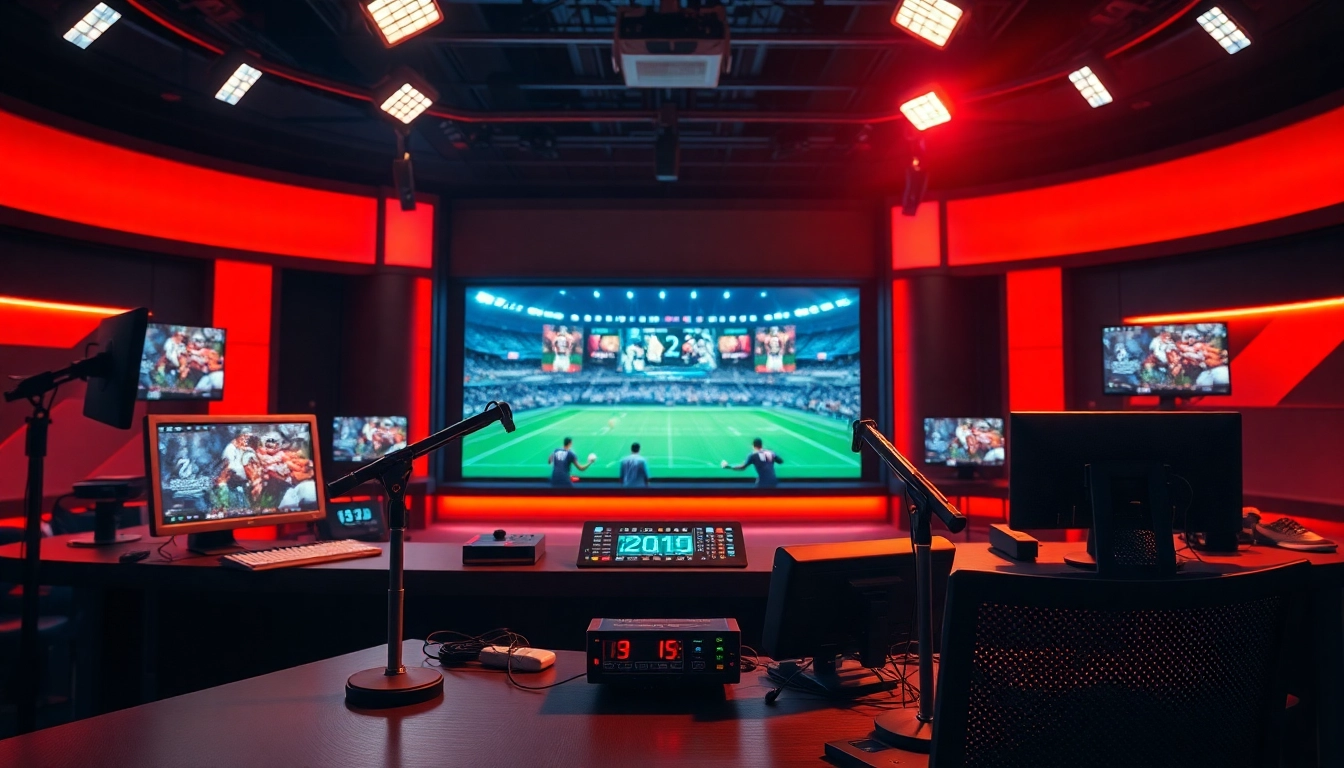
Understanding the Basics of Sports Broadcasting
What is Sports Broadcasting?
Sports broadcasting is the comprehensive process of transmitting live sporting events to a wide audience through various platforms. This includes television, radio, and online streaming services. The goal is to deliver the excitement of sports competition to fans around the world, creating an immersive experience that captures the action, commentary, and analysis of the events. In the current landscape, Sports Broadcasting has evolved immensely, adapting to new technologies and changing viewer preferences.
Historical Evolution of Sports Broadcasting
The inception of sports broadcasting dates back to the early 1920s when radio became the primary medium for live sports commentary. It wasn’t until the 1930s that television began to revolutionize how viewers experienced sports, bringing live games into their homes. Over the decades, advancements in technology have expanded broadcasting options, including the introduction of color telecasts, satellite transmissions, and, most recently, high-definition and 4K broadcasts.
As society's viewing habits shifted, the rise of the internet saw a new era in sports broadcasting. Platforms like streaming services and social media have become integral, allowing fans to watch games on demand and engage with content in real-time.
Types of Sports Broadcasting Formats
Various formats have emerged in sports broadcasting, each catering to different audiences and preferences. Some key formats include:
- Live Broadcasting: Real-time coverage of events with commentary and analysis.
- Highlight Packages: Short videos summarizing key moments of games, popular among audiences with limited time.
- On-Demand Streaming: Allows viewers to watch games at their convenience, often through subscription services.
- Mobile Broadcasting: Live streams available on mobile devices, increasing accessibility for viewers on the go.
Key Technologies in Sports Broadcasting
Live Streaming vs. Traditional Broadcasting
Live streaming has dramatically changed the landscape of sports broadcasting, offering an alternative to traditional broadcasting methods. While traditional broadcasts rely on cable and satellite infrastructure, live streaming allows fans to access content directly over the internet. This shift provides broadcasters with more flexibility in reaching their audience.
Moreover, live streaming platforms often enable features such as interactive chats, social media integration, and the ability to pause or rewind live events, enriching viewer engagement. However, traditional broadcasting still plays a significant role by delivering high-quality, uninterrupted coverage, especially for large-scale events with millions of viewers.
The Role of Satellite and Cable in Sports Broadcasting
Despite the growing prominence of online platforms, satellite and cable are crucial for sports broadcasting. These traditional systems provide consistent signal quality and coverage, particularly in areas where internet access may be limited or unstable. Sports channels packaged in cable subscriptions often include exclusive coverage of major leagues and events that may not be available on streaming platforms, sustaining a loyal viewer base.
Emerging Technologies Shaping Future Sports Broadcasting
Emerging technologies are continuously transforming sports broadcasting. Notable trends include:
- Virtual Reality (VR) and Augmented Reality (AR): Enhancing viewer engagement by providing immersive experiences, such as virtual stadiums.
- Artificial Intelligence (AI): Used for real-time data analysis, generating insights, and automating certain aspects of broadcasting.
- 5G Networks: Offering ultra-fast data transmission, enabling seamless live streaming experiences and better mobile interactions.
- Blockchain Technology: Potentially revolutionizing rights management and monetization models in sports broadcasting.
Creating Compelling Content for Sports Broadcasting
Storytelling Techniques for Sports Broadcasting
Effective storytelling is central to captivating sports broadcasting. Engaging narratives can elevate the presentation of events, making them more relatable and exciting for viewers. Techniques include:
- Character Development: Focusing on key athletes or teams to build emotional connections with the audience.
- Dramatic Structure: Crafting story arcs within games or seasons that emphasize conflict, climax, and resolution.
- Historical Context: Incorporating relevant background stories to enhance the significance of current events.
Leveraging Social Media in Sports Broadcasting
Social media plays an increasingly vital role in sports broadcasting, offering platforms for real-time engagement and interaction. Broadcasters can use social networks to:
- Promote Events: Create buzz leading up to games through teaser content.
- Engage Fans: Foster interaction through polls, live Q&As, and commentary during games.
- Share Highlights: Post quick clips and highlights to keep audiences engaged even after the live event.
Engagement Strategies for Sports Audiences
Viewer engagement is crucial for retaining audiences in the competitive landscape of sports broadcasting. Effective strategies include:
- Interactive Content: Using quizzes and polls during broadcasts to involve fans actively.
- Behind-the-Scenes Content: Offering exclusive insights into teams and players increases viewer loyalty.
- Fan Contests: Encouraging viewer participation through giveaways or challenges associated with events.
Regulations and Ethics in Sports Broadcasting
Understanding Broadcasting Rights
Broadcasting rights are essential for any sports broadcaster, defining who can show specific events and under what conditions. These rights are negotiated and can encompass both local and international territories, often leading to high-stake bidding wars for premium content. Understanding these rights is critical for broadcasters to operate legally and profitably.
Ethical Considerations in Sports Broadcasting
Ethics in sports broadcasting encompass several dimensions, including fairness in coverage, consideration of privacy, and the depiction of athletes. Broadcasters have a responsibility to present stories honestly and respectfully, avoiding sensationalism that can misrepresent the players or events. Maintaining ethical standards is vital to build and keep trust with the audience.
Impact of Regulations on Sports Broadcasting
Regulations, enforced by governing bodies and governments, have consequences on how sports are broadcasted. These can include limits on advertising, the protection of consumer data, and ensuring fair access to broadcasts. Compliance with these regulations helps maintain industry standards and protects both audiences and the integrity of sports.
Performance Metrics for Sports Broadcasting
Measuring Audience Engagement and Reach
To assess the success of sports broadcasts, measuring audience engagement and reach is essential. Key performance metrics include:
- Viewership Numbers: Tracking how many people watch live broadcasts or on-demand reruns.
- Social Media Interactions: Analyzing likes, shares, comments, and overall engagement.
- Demographic Insights: Understanding viewer demographics helps tailor content to target audiences effectively.
Analyzing Viewer Feedback and Ratings
Post-event analysis of viewer feedback is crucial for broadcasters to understand audience preferences and identify areas for improvement. Ratings from Nielsen or similar organizations offer quantifiable data on viewership trends, allowing broadcasters to adapt content and strategies accordingly.
Using Data Analytics to Improve Sports Broadcasting
Data analytics plays a significant role in optimizing sports broadcasts. Broadcasters can leverage viewer data to enhance programming, target specific demographics, and develop personalized viewer experiences. Implementing data-driven decisions leads to improved engagement and potential revenue generation through strategic advertising placements.
Frequently Asked Questions
What is the future of sports broadcasting?
The future of sports broadcasting lies in advanced technology, including AI and VR, further blending physical and digital experiences for viewers.
How does social media influence sports broadcasting?
Social media enhances viewer engagement, providing platforms for interaction, promotion, and real-time discussions during sports events.
What are broadcasting rights?
Broadcasting rights are legal permissions granted to networks or platforms to broadcast specific sports content within set geographical areas.
How can I measure audience engagement?
Audience engagement can be measured through viewership metrics, social media interactions, and demographic analytics from broadcasts.
What ethical issues exist in sports broadcasting?
Ethical issues include ensuring fair coverage, respecting athlete privacy, and guarding against sensationalism in reporting sports stories.