Understanding Professional Roofing Services
What Defines Professional Roofing Services?
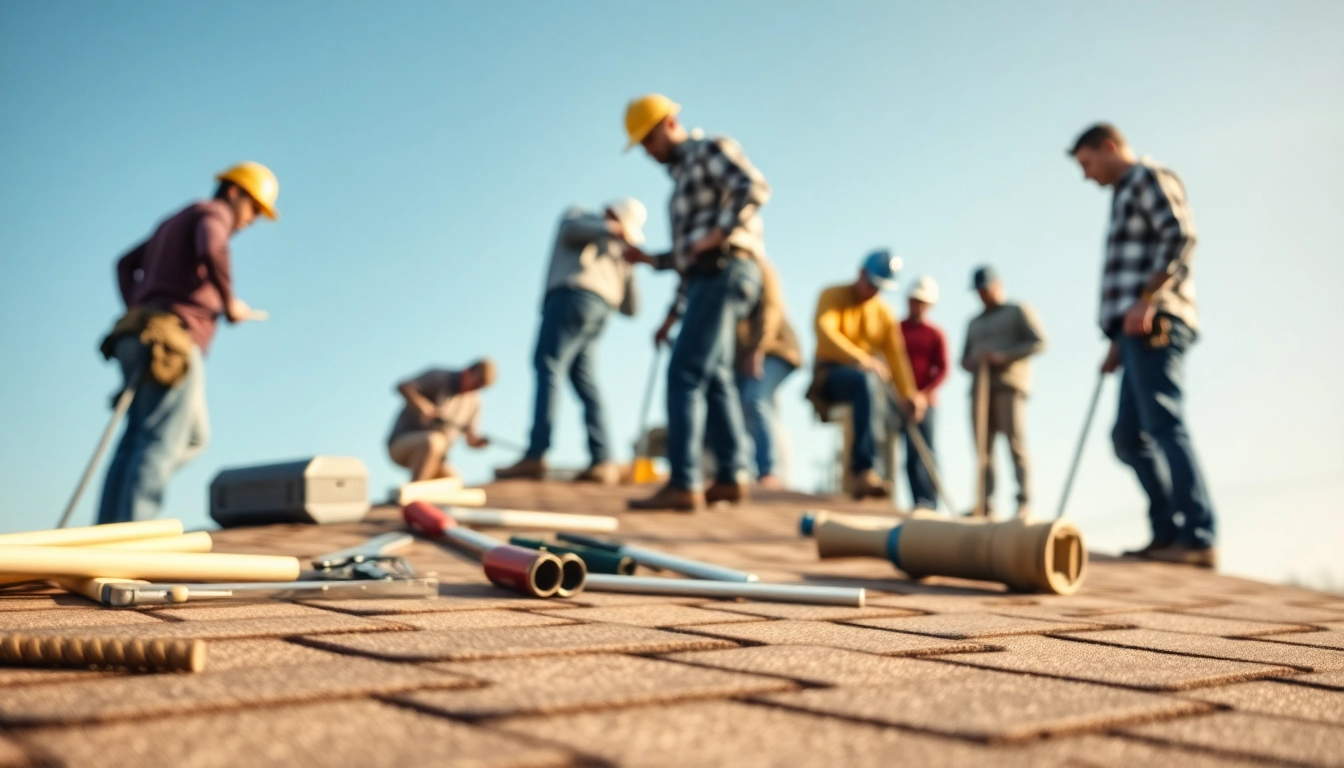
When discussing Professional roofing services, it's essential to understand the characteristics that separate quality service from the rest. Professional roofing services encompass a variety of essential activities that go beyond mere installation. These services bring together experienced professionals who are knowledgeable about various roofing materials, installation practices, safety protocols, and local building regulations.
A professional roofing service provides not only installation and repair but also comprehensive consultation, ensuring that clients understand their options. From residential homes to commercial buildings, these services are adaptive, offering customized solutions tailored to meet specific needs while adhering to industry regulations.
Benefits of Hiring Professional Roofing Services
Engaging professional roofing services carries numerous benefits that can significantly impact the quality and durability of your roof. Here are some primary advantages:
- Expertise and Experience: Professional roofers come equipped with extensive knowledge and experience. They know the intricacies of various roofing materials and installation techniques, which helps prevent common mistakes that DIYers might make.
- Quality Materials: Professional roofing services have access to high-quality materials that may not be available to the general public. This ensures that the roof installed or repaired is durable and long-lasting.
- Time and Cost Efficiency: Although hiring professionals may seem more expensive initially, the long-term savings on repairs and replacements can be substantial. Moreover, professionals can complete the job more quickly than homeowners or untrained individuals.
- Warranty Protection: Many professional roofing services offer warranties on both materials and labor. This means that if something goes wrong after installation, it is typically covered under the warranty.
- Safety Compliance: Professional roofers are aware of safety standards and precautions that must be followed during installation or repair, significantly reducing the risk of accidents compared to DIY work.
Common Types of Professional Roofing Services
There is a wide range of services provided under the umbrella of professional roofing. Understanding these services can help homeowners make informed decisions based on their specific roofing needs:
- Roof Installation: This encompasses the complete installation of new roofs, including various materials such as asphalt shingles, metal, tile, and flat roofing solutions.
- Roof Repair: Services include fixing leaks, replacing damaged shingles, and addressing other issues that can compromise roof integrity.
- Roof Replacement: When a roof reaches the end of its lifespan, a complete replacement is necessary. Professionals guide homeowners through selecting suitable materials and styles.
- Preventative Maintenance: Regular inspections and maintenance work helps identify and address minor issues before they turn into significant problems, thus extending the life of the roof.
- Emergency Services: Professional roofing companies often provide emergency repair services for severe weather damage to ensure that homes remain protected.
Identifying Your Roofing Needs
Assessing Roof Damage and Repairs
The first step in determining your roofing needs is to conduct a thorough assessment of your roof's condition. This can help identify visible problems such as missing shingles, leaks, or sagging areas. Homeowners should regularly check their roofs, particularly after severe weather events, looking for:
- Cracked or missing shingles
- Water stains on ceilings or walls inside the home
- Visible mold or algae growth on the roof
- Persistent leaks after rainfalls
If any damage is spotted, calling in a professional for a detailed inspection is recommended. Professionals use specialized equipment to assess damage that may not be visible to the untrained eye.
Choosing Between Repair and Replacement
A critical question homeowners face is whether to repair or replace their roof. Several factors influence this decision:
- Extent of Damage: If damage is minor, repairs may suffice. However, extensive damage may indicate that a replacement is more prudent.
- Age of the Roof: Typically, roofs have a lifespan of 20 to 50 years depending on the material. If a roof is nearing its lifespan, a full replacement is often more economical than continual repairs.
- Cost Considerations: A cost analysis covering the price of repairs versus replacement should be done. Sometimes, investing in a new roof may prevent much higher costs later.
Factors Influencing Your Roofing Decision
When assessing whether to repair or replace the roof, consider factors such as:
- The local climate and weather patterns
- Future costs and maintenance considerations
- The aesthetic and architectural goals for your home
- Insurance coverage and claims processes, if applicable
Choosing the Right Contractor for Professional Roofing Services
Key Qualifications to Look For
Selecting the right roofing contractor is critical to ensuring that your project is executed correctly and professionally. Here are qualifications to prioritize:
- Licenses and Insurance: Verify that the contractor is legally licensed to operate and carries the necessary insurance to protect both them and you in case of accidents.
- Experience: Look for contractors with a proven track record in roofing projects similar to yours.
- Certifications: Professional certifications can indicate a level of expertise and commitment to quality.
- Warranties: Inspect what warranties the company offers on their work and materials, as this reflects confidence in their craftsmanship.
Importance of Reviews and Testimonials
To gauge a contractor's reliability and quality of work, prospective clients should seek out reviews and testimonials. Look for:
- Online reviews on reputable platforms (Google, Yelp)
- Testimonials on the contractor's website
- Personal referrals from friends or family who have had similar work done
Understanding Quotes and Estimates
Receiving quotes from multiple contractors is essential to making an informed decision. When evaluating estimates, pay attention to:
- The level of detail provided in each quote, including materials and labor costs
- The expected timeline for the project
- Any potential additional costs that may arise
- The clarity of terms regarding warranties and guarantees
Best Practices for Roof Maintenance
Regular Inspections and Their Importance
Regular roof inspections are a key element of roof maintenance. Scheduling annual inspections can help catch minor issues before they turn into significant problems that necessitate costly repairs or replacements. Inspections may include:
- Checking for signs of wear or damage
- Cleaning gutters and downspouts to prevent water damage
- Evaluating roof drainage systems to ensure water flows away from the home
Seasonal Maintenance Tips
Different seasons bring different challenges for roofing maintenance. Preparing for seasonal elements can extend the longevity of your roof:
- Spring: Inspect for winter damage and ensure that all drainage systems are functioning properly.
- Summer: Check for signs of algae or moss growth and address them promptly.
- Fall: Clean leaves and debris from the roof and gutters, and assess readiness for winter.
- Winter: Regularly remove snow buildup to prevent added weight on the roof.
Identifying Warning Signs of Roof Damage
Understanding the warning signs of roof damage can empower homeowners to act swiftly. Key indicators include:
- Dripping water or stains on the ceiling
- Visible sagging areas or dips in the roof
- Damaged or missing shingles visible from the ground
- Increased energy bills that may indicate insulation issues
Maximizing the Lifespan of Your Roof
Upgrading Your Roofing Materials
Investing in high-quality materials during roof installation can dramatically increase a roof's lifespan. Some roofing material options to consider include:
- Metal Roofing: Known for durability and longevity, metal roofing is increasingly popular.
- Slate: Extremely durable with a lifespan that can exceed a century.
- Asphalt Shingles: Cost-effective and versatile, though less durable than other materials.
Energy Efficiency and Roofing Solutions
Energy-efficient roofing contributes to lower utility bills and a reduced carbon footprint. Strategies for enhancing energy efficiency include:
- Choosing reflective roofing materials that deflect solar heat
- Incorporating proper insulation to reduce heating and cooling demands
- Utilizing roofing techniques that manage ventilation effectively
Long-Term Investment in Professional Roofing Services
Investing in professional roofing services is ultimately a long-term investment in the health and safety of your home. A well-maintained roof can provide significant returns in terms of property value, energy savings, and peace of mind, making informed choices about roofing essential for any homeowner.