
As the construction industry continues to seek faster, more efficient building methods, modular construction has emerged as a popular solution for a wide range of projects. From residential developments and commercial buildings to educational and healthcare facilities, modular construction offers advantages in terms of speed, cost control, and project management. As demand for this approach grows, manufacturers require reliable production methods to support the increasing need for high-quality building components.
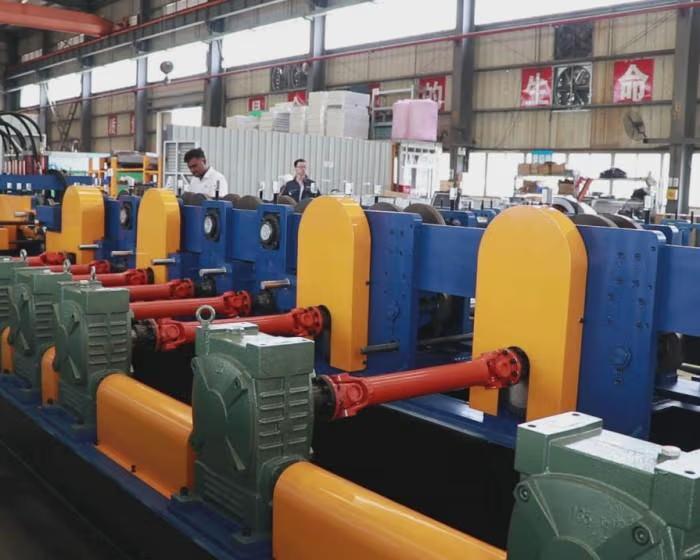
Roll forming plays a critical role in the success of modular construction by providing a fast and efficient way to manufacture precision steel profiles. Modern equipment such as a cold formed steel machine helps produce the structural components required for modular building systems. These technologies enable manufacturers to meet growing demand while maintaining consistent quality and production efficiency.
The Growing Popularity of Modular Construction
Modular construction involves producing building sections in a controlled manufacturing environment before transporting them to the project site for assembly. This approach can significantly reduce construction timelines while improving quality control and minimizing on-site disruptions.
As developers look for ways to improve efficiency and address labor challenges, modular construction continues to gain popularity across many sectors. The success of this building method depends heavily on the availability of accurately manufactured components that can be assembled quickly and reliably.
Roll forming technology provides the precision and consistency required to support these modern construction practices.
Benefits of Roll Forming for Modular Construction
Faster Component Production
Roll forming is a continuous manufacturing process that allows steel profiles to be produced efficiently and in large volumes. This helps manufacturers meet the production schedules required for modular construction projects.
Faster production supports shorter project timelines and improved construction efficiency.
Consistent Product Quality
Modular construction relies on components that fit together accurately during assembly. Roll forming technology helps ensure consistent dimensions and uniform product quality throughout the production process.
Reliable quality reduces installation issues and supports smoother project execution.
Reduced Material Waste
Modern roll forming systems are designed to maximize material utilization while minimizing scrap. Efficient manufacturing processes help reduce waste and support cost-effective production.
This contributes to both sustainability goals and improved profitability.
Improved Structural Performance
Steel profiles produced through roll forming offer excellent strength and durability. These characteristics make them ideal for modular construction projects that require reliable structural components.
High-quality materials help ensure long-term building performance.
Greater Design Flexibility
Roll forming technology can produce a wide range of profile shapes and sizes to meet different project requirements. This flexibility allows manufacturers to support diverse modular construction designs and applications.
Adaptable production capabilities help meet evolving market demands.
Applications of Roll Forming in Modular Construction
Roll formed steel components are widely used in:
- Residential modular housing
- Commercial buildings
- Educational facilities
- Healthcare structures
- Industrial buildings
- Temporary and portable structures
- Hospitality developments
- Multi-unit residential projects
These applications benefit from the speed, accuracy, and reliability that roll forming technology provides.
Choosing the Right Manufacturing Equipment
Manufacturers serving the modular construction industry should consider factors such as production efficiency, machine accuracy, automation capabilities, profile flexibility, and long-term reliability.
Businesses investing in a cold formed steel machine should evaluate its ability to produce consistent structural profiles for modular applications. Likewise, a curving machine can provide additional flexibility for creating specialized steel components that support unique architectural and structural designs.
Selecting the right equipment can help manufacturers improve productivity while meeting the growing needs of the modular construction market.
Conclusion
Roll forming plays an essential role in supporting the growth of modular construction by providing efficient, accurate, and cost-effective manufacturing solutions. Its ability to produce high-quality steel components quickly and consistently makes it a valuable technology for modern building projects.
Whether utilizing a cold formed steel machine for structural steel production or a curving machine for specialized applications, advanced roll forming equipment helps manufacturers meet the demands of the expanding modular construction industry. As modular building methods continue to gain popularity, roll forming technology will remain a key contributor to efficient and innovative construction practices.