The Art of Wedding Photography
What is Wedding Photography?
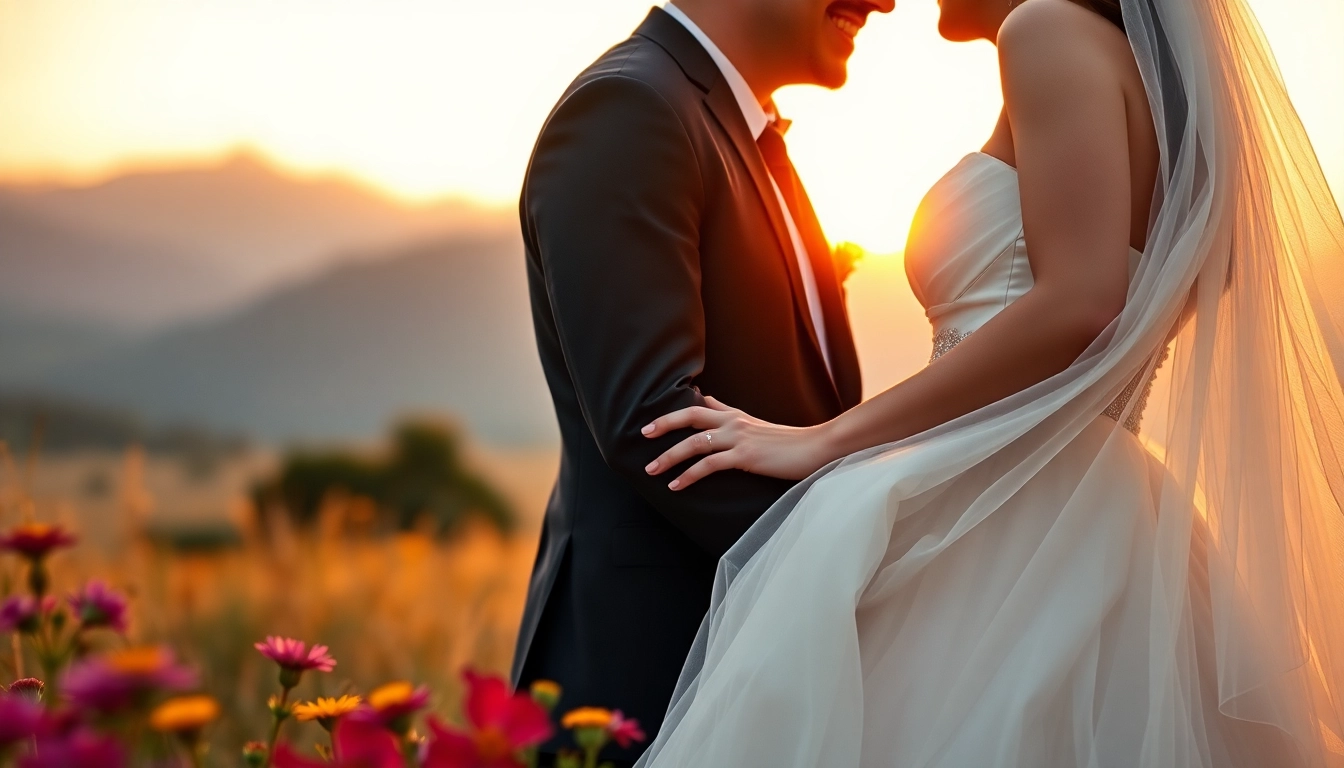
Wedding photography is the documentation of a couple's wedding day through photographs. It involves capturing precious moments, emotions, and the atmosphere of the event, creating a visual narrative of the day. A skilled photographer must not only operate their camera with technical prowess but also possess an artistic eye to anticipate and encapsulate fleeting moments. Wedding photography goes beyond mere snapshotting by telling the story of love, commitment, and shared dreams. For clients, the allure of professional Wedding photography lies in the lasting memories that beautifully framed images create for years to come.
Fundamental Techniques
To excel in wedding photography, it's crucial to master several fundamental techniques:
- Composition: Understanding the rule of thirds, leading lines, and framing can drastically improve the quality of the images.
- Lighting: Being adept at using both natural and artificial light can create stunning photographs regardless of the setting.
- Focus: Knowing how to adjust focus to capture sharp images, as well as employing techniques like depth of field, enhances the visual storytelling.
- Timing: Anticipating key moments requires a keen awareness of the event’s rhythm and flow.
- Post-processing: Proficiency in editing software can elevate the overall look of the photographs, allowing for the correction of minor flaws and enhancement of color and contrast.
Choosing the Right Style
Different couples have varied visions for their wedding photography. Understanding these styles is paramount for photographers:
- Traditional: Focuses on posed shots and key moments, providing a classic look.
- Documentary: Aims to capture candid moments without interference, telling the story of the day as it unfolds.
- Fine Art: Emphasizes aesthetics, often using creative angles and lighting for a more artistic representation.
- Editorial: Mirrors fashion photography styles, presenting moments with a magazine-quality finish.
- Humorous: Injects fun and personality into the images, capturing quirky, light-hearted moments.
Preparing for the Big Day
Scheduling and Planning
A seamless wedding photo shoot requires extensive pre-planning. Creating a detailed shot list and timeline is essential. Engaging fully with the couple to understand the day's timeline, special moments, and people that are important to them can mitigate risks of undesirable surprises. Coordinating with wedding coordinators and venue managers can also facilitate smooth transitions during the photography session. Time management is key, especially when addressing various venues or weather uncertainties.
Understanding Your Clients' Vision
Each couple has a unique story and vision for their wedding. Conducting pre-wedding consultations to align on expectations, styles, and preferences builds rapport and ensures your outputs resonate with them. Asking about their favorite photos from past weddings, or discussing inspirations can provide insights that inform your approach, thereby customizing the service to their tastes.
Location Scouting
Location plays a significant role in wedding photography. Scouting locations prior to the wedding day allows photographers to identify the most visually appealing backdrops and assess lighting conditions at different times of day. Familiarizing yourself with the venue can lead to more efficient shooting and enable you to provide recommendations for spots that align with the couple's style and aesthetic.
Key Moments to Capture in Wedding Photography
Getting Ready Details
The getting-ready phase is ripe for capturing intimate moments. Photographers should focus on the emotions shared during this time, such as laughter, nervousness, and joy. Shots may include the bride’s dress hanging, the groom adjusting his tie, or the family helping with last-minute details. These images not only serve as a beautiful introduction to the wedding album but also enrich the overall narrative.
Ceremony Highlights
The ceremony is the heartbeat of the wedding day. Capturing pivotal moments like the exchanging of vows, the first kiss, and the happy tears of family and friends is crucial. Employing various angles ensures a dynamic representation of these moments. Leveraging a second photographer may also enhance coverage without missing critical actions, providing diverse perspectives.
Reception Fun
The reception signifies joy, celebration, and connection. Key moments to capture during this time include the couple’s first dance, speeches, and guest interactions. The vibrance and energy during this part of the day should be encapsulated through spontaneous candids and orchestrated group shots. The reception offers great opportunities to play with light and backgrounds, enhancing the storytelling through imagery.
Post-Processing Wedding Photography
Editing Techniques
Post-processing is where photographers can polish their work to perfection. From basic adjustments like exposure, contrast, and cropping to advanced techniques such as retouching skin blemishes and enhancing colors, each process improves the visual outcome. Photographers should develop a signature editing style to imbue their work with a unique identity while pleasing clients.
Creating a Consistent Look
Consistency in editing is vital for maintaining a cohesive wedding album. This involves creating and applying presets in software like Adobe Lightroom or Photoshop to ensure that all images reflect a harmonious aesthetic. By curating a color palette and stick to it, the final collection will evoke the desired emotional response from viewers.
Delivering the Final Product
Timeliness in delivering the final product can enhance client satisfaction. Setting clear expectations about delivery timelines ensures clients are not left wondering. Digital albums can enhance the experience, allowing couples to relive their day. Offering prints or photo books may provide additional revenue streams while also serving as cherished keepsakes for couples.
Frequently Asked Questions About Wedding Photography
What equipment do I need for wedding photography?
Essential equipment includes a DSLR or mirrorless camera, multiple lenses (focal lengths), an external flash, spare batteries, and memory cards. A tripod can also be beneficial for stable shots.
How do I pose couples for wedding photos?
Encourage natural poses by directing movement rather than static positions. Use prompts that elicit genuine reactions, focusing on their connection and emotions. Keep it relaxed and fun.
How can I ensure I don’t miss key moments?
Creating a detailed shot list in collaboration with the couple identifies essential moments. Arrive early and manage your time efficiently to stay alert throughout the event.
What are some tips for shooting in different lighting conditions?
Utilize natural light when possible, and practice using on-camera flash for darker settings. Experiment with shooting in manual mode to adjust exposure settings effectively.
How long should I expect the editing process to take?
The editing process can take anywhere from a few days to several weeks, depending on the number of images and complexity of edits. Set clear timelines with clients beforehand.