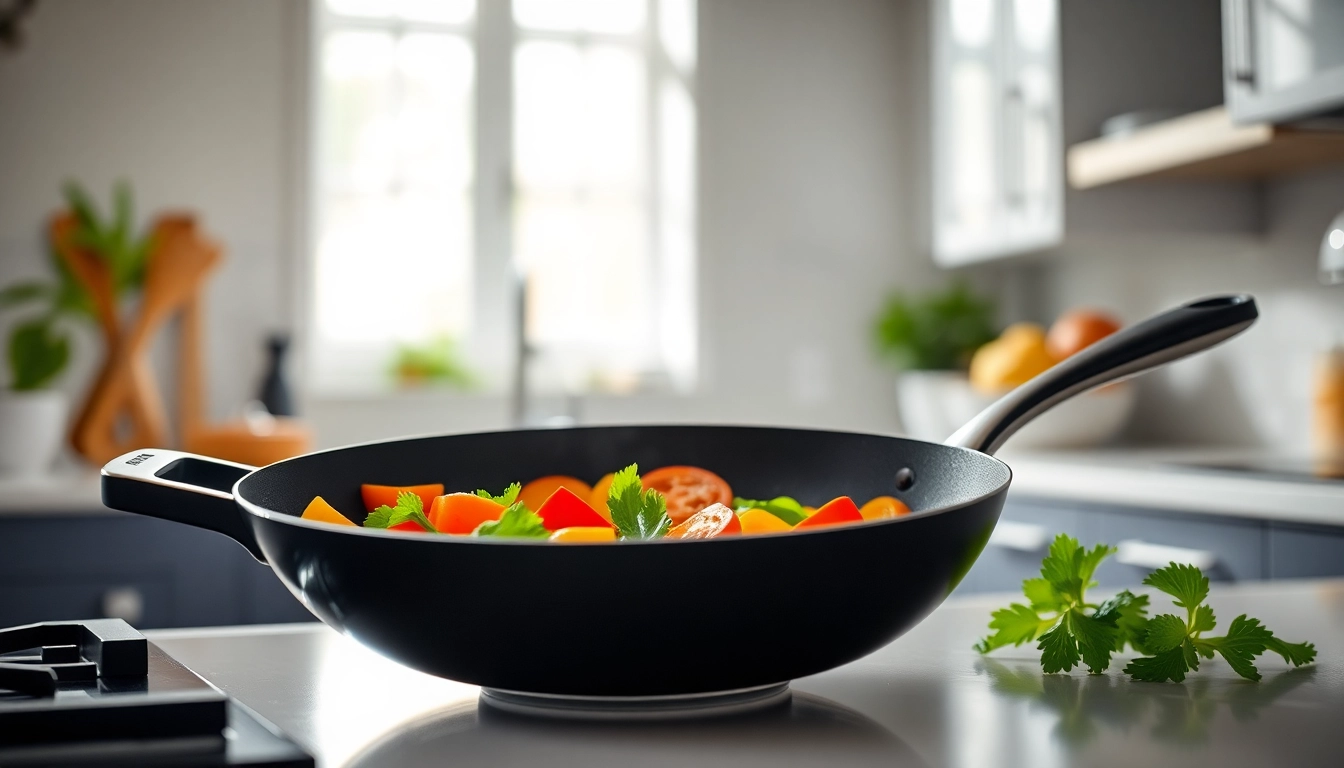
The Importance of Choosing the Best Nonstick Pan NZ
When it comes to cooking, the tools you choose can significantly affect your culinary experience. Among those tools, the frying pan holds a special place. A versatile kitchen essential, a frying pan can make or break your cooking outcomes. In New Zealand, many cooks are on the lookout for the best nonstick pan NZ to elevate their cooking game. This guide will delve into why selecting the right nonstick pan is crucial, exploring not just functionality but also health impacts, durability, and maintenance.
Why Nonstick is Preferred by Many Cooks
The nonstick frying pan is a beloved tool in kitchens worldwide, and New Zealand is no exception. This preference is mainly due to the pan's ability to reduce cooking and cleanup time significantly. Foods slide off easily, making it almost effortless to prepare delicate items like eggs or pancakes without them sticking or tearing apart.
Moreover, nonstick pans often require less oil or butter, allowing for healthier cooking. This aspect is especially appealing to health-conscious cooks who want to enjoy delicious meals with less fat.
Health Considerations with Nonstick Cookware
Health concerns regarding nonstick cookware have grown alongside their popularity. Many traditional nonstick pans utilize polytetrafluoroethylene (PTFE) coatings, which can release toxic fumes if overheated. However, advancements in technology have led to safer alternatives. Modern nonstick pans incorporate ceramic coatings or are PTFE-free, effectively mitigating these health risks.
When selecting a nonstick pan, consumers must consider these health factors alongside their cooking needs. Looking for brands that ensure their products are free of harmful chemicals can help in making an informed choice.
Durability and Longevity of Nonstick Pans
Investing in a quality nonstick frying pan offers substantial returns in terms of durability. Well-constructed nonstick pans not only withstand high temperatures but also resist scratching and flaking. Following proper care guidelines can further extend their lifespan. A high-quality nonstick pan can last several years, making it a practical investment.
It's worth noting that cheaper alternatives may not offer the same durability, potentially leading to scratches and deterioration over time. Hence, it's essential to assess both the price and quality when selecting the best nonstick pan NZ.
Key Features to Look for in the Best Nonstick Pan NZ
Material and Coating Types
The effectiveness and longevity of a nonstick pan heavily depend on the materials and coating used. Most nonstick frying pans feature either PTFE or ceramic coatings. PTFE provides great nonstick properties but comes with some health concerns. On the other hand, ceramic coatings are naturally nonstick and often free from chemicals, but they may not be as durable as PTFE coatings.
When considering the material of the pan itself, options may vary from aluminum to stainless steel. Aluminum pans provide excellent heat conductivity, while stainless steel offers superior durability.
Size and Weight Considerations
Choosing the right size and weight of a nonstick frying pan is crucial for effective cooking. Common sizes range from 20cm to 30cm, and the choice depends largely on cooking needs. For single servings or compact kitchens, smaller pans work well. Larger families might prefer bigger options for cooking multiple servings at once.
Weight also plays a role in usability; while heavier pans provide better heat retention, they may be challenging to handle for some home cooks. Therefore, it’s essential to find a balance that suits your cooking style.
Induction Compatibility and Heat Conductivity
For those equipped with induction stovetops, it’s vital to select a nonstick pan compatible with this heating type. Induction pans typically require magnetic materials, meaning aluminum pans may not suffice unless they are constructed with a magnetic base.
Heat conductivity is another critical factor influencing cooking results. A pan that heats evenly prevents hotspots, thus ensuring that your food cooks uniformly.
Care and Maintenance Tips for Nonstick Pans
Proper Cleaning Techniques
Cleaning nonstick pans requires a gentle touch to maintain their lifespan. Avoid harsh abrasives or steel wool; instead, opt for soft sponges or cloths. Many nonstick pans are also dishwasher safe, but hand washing is often recommended to preserve the coating's integrity.
Routine cleaning immediately after use prevents food debris from hardening on the surface, making it easier to maintain the pan’s condition.
Avoiding Damage to the Nonstick Coating
To extend the life of your nonstick pan, avoid using metal utensils that can scratch the surface. Instead, choose silicone or wooden utensils during cooking. Also, preheating an empty pan can damage the coating, so always add oil before heating.
Storage Tips for Longevity
Proper storage techniques can prevent scratches and extend the life of your nonstick frying pan. Consider stacking your pans with protective padding like a soft cloth between each pan to avoid scratching. Alternatively, using a pan organizer can help keep them scratch-free and easily accessible.
Comparative Analysis: Best Nonstick Pan NZ Versus Alternatives
Comparing Nonstick with Stainless Steel Frying Pans
When comparing nonstick pans to stainless steel alternatives, each option has its own merits. Nonstick pans excel in convenience and ease of cleaning, making them suitable for delicate recipes. However, stainless steel pans offer superior heat retention and browning capabilities.
For everyday use, nonstick frying pans might be the go-to choice, but for specific cooking tasks that require high heat, stainless steel may be the better option.
Exploring Ceramic and Stone Nonstick Options
Ceramic and stone nonstick pans are gaining popularity among those looking for safer alternatives to traditional nonstick coatings. These materials are often free of PTFE and PFOA, making them a healthier choice. However, they may require more careful handling and maintenance to avoid chipping.
While there are benefits to choosing ceramic or stone options, the effectiveness can vary, so researching specific brands and user reviews is advisable.
When to Choose Traditional Cookware
Instances arise when traditional cookware, such as cast iron or stainless steel, may be more suitable than nonstick options. For high-heat searing or baking, these materials have advantages in heat retention and durability. Assess your cooking needs to determine when traditional cookware may be a better fit.
Frequently Asked Questions About Nonstick Pans
What is the best way to clean nonstick pans?
The best way to clean nonstick pans is to hand wash them using mild soap and a soft sponge. Avoid abrasive scrubbers, as they can scratch the surface.
Can nonstick pans be used in the oven?
Some nonstick pans are oven-safe, but it depends on the material. Always check the manufacturer’s guidelines to confirm oven compatibility.
How long do nonstick pans last?
With proper care and maintenance, quality nonstick pans can last several years. Avoiding metal utensils and high temperatures can extend their lifespan.
Are nonstick pans safe for cooking?
Modern nonstick pans are generally safe for cooking, especially those labeled as free of harmful chemicals. Always verify safety certifications.
What should I avoid when using nonstick pans?
Avoid using metal utensils, aggressive scrubbing, and overheating. These factors can damage the nonstick coating and reduce its lifespan.