
The Benefits of Buying Pond Plants Online
In recent years, the trend of purchasing garden supplies, including pond plants, has shifted significantly towards online shopping. This transition is driven by several factors, including convenience, variety, and the ability to access rare species. Whether you are an experienced pond enthusiast or a beginner looking to enhance your garden with aquatic vegetation, Buy Pond Plants Online can offer a myriad of advantages that traditional local nurseries might not provide.
Convenience and Variety
One of the most significant benefits of buying pond plants online is the convenience it offers. With just a few clicks, you can explore an extensive range of plants, from water lilies to marginal plants, without the need to travel to multiple stores. Online retailers often have a broader selection, allowing you to choose from various species and brands, all from the comfort of your home. This accessibility also saves time, making it easier to find the perfect plants for your pond.
Cost-Effectiveness Compared to Local Sources
Online shopping often comes with better pricing options than local nurseries. Many online retailers can offer competitive prices due to lower overhead costs and direct shipping from nurseries. Moreover, with seasonal sales and promotions common in the e-commerce landscape, you can find quality pond plants at reduced prices, giving you greater value for your money.
Accessing Rare Species
For garden enthusiasts looking to cultivate unique ecosystems, online retailers frequently provide access to rare or hard-to-find pond plant species. Local nurseries may have a limited selection based on regional demand, but online platforms can source plants from various locations, increasing your options significantly. This access allows you to create a more diverse pond environment, essential for biodiversity and ecosystem health.
How to Choose the Right Pond Plants for Your Garden
When selecting pond plants, understanding the specific conditions of your pond is crucial. Factors such as water depth, sunlight, and local climate can significantly influence which plants will thrive in your aquatic environment. By carefully considering these factors, you can ensure a healthy balance within your pond ecosystem.
Understanding Your Pond Environment
The first step in choosing the right pond plants is to evaluate your pond’s environment. Are the edges sunny or shaded? What is the water temperature during different seasons? Take note of the current flora and fauna; this will help you decide which new plants will complement your existing ecosystem.
Matching Plants to Local Climate Conditions
Different pond plants have varying tolerance levels when it comes to climate. Understanding your local climate conditions will help you select plants that can survive and thrive in your area. For instance, if you live in a region with harsh winters, opt for hardy varieties that can withstand freezing temperatures. Conversely, if you are in a warmer climate, choose species that are suited for hotter conditions.
Creating Biodiversity with Plant Selection
Biodiversity is vital for the health of your pond. By selecting a diverse range of plants, you can create habitat for various organisms, including beneficial insects, amphibians, and fish. Consider incorporating a mix of floating, submerged, and emergent plants to enhance the ecological balance. This mix will not only beautify your pond but also contribute to water quality and overall health.
Tips for Successfully Planting and Maintaining Pond Plants
Successfully planting and maintaining your pond plants requires a bit of effort and knowledge. Here are some essential tips to help ensure your pond plants thrive.
Preparing Your Pond for New Additions
Before introducing new plants, make sure your pond is ready. Clear any debris, and test the water parameters such as pH and nutrient levels. If necessary, make adjustments to improve the conditions. Additionally, consider installing submerged aquatic plants first, as they can help stabilize the water quality, making it easier for your new additions to flourish.
Ongoing Care and Maintenance Strategies
Regular care is crucial for the health of your pond plants. Ensure you monitor water levels, especially during dry spells, and check for invasive species that might compete with your desired plants. You may also need to fertilize certain plants or trim dead or overgrown foliage to promote healthy growth.
Common Mistakes to Avoid When Planting
While planting pond plants can seem straightforward, there are common pitfalls to watch for. Avoid overcrowding your pond with too many plants, which can lead to competition for resources. Also, ensure you are not planting species that may not be compatible with each other. Research each plant’s growth habits to avoid conflicts in your pond’s ecosystem.
Real-Life Success Stories: Transforming Gardens with Pond Plants
Transforming a garden with pond plants not only enhances aesthetic appeal but also contributes to the overall ecosystem. Let’s explore some real-life success stories that showcase the remarkable effects of incorporating pond plants into landscaping.
Case Study: A Family’s Home Pond Transformation
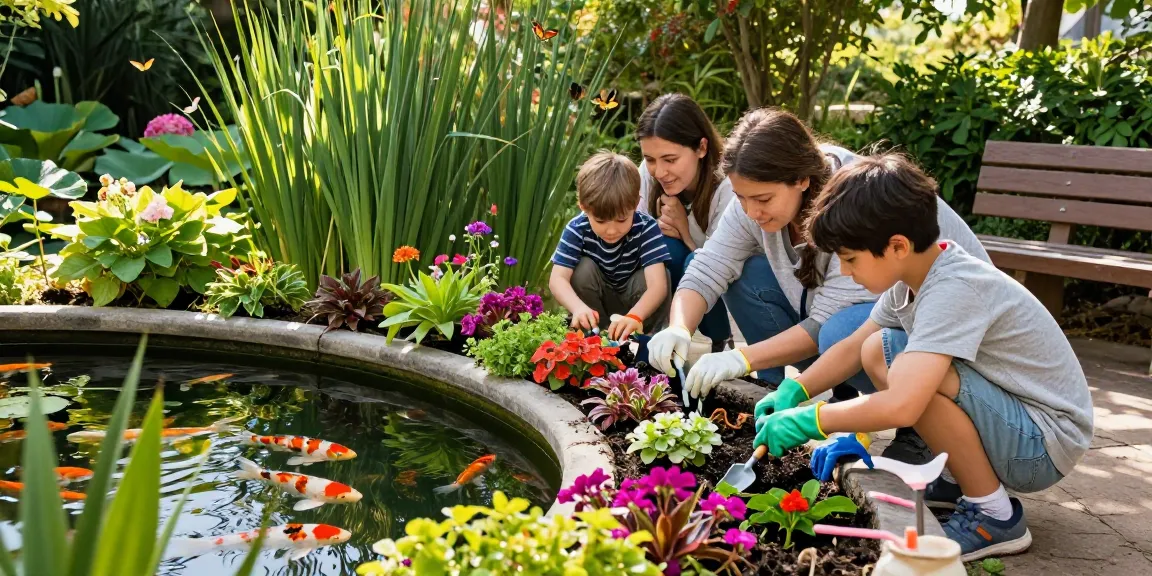
Consider the case of a family in suburban England who decided to enhance their backyard by installing a pond filled with various plants. Initially, the pond was barren and uninviting, but after purchasing a combination of native and exotic species online, they created a vibrant aquatic habitat. The introduction of water lilies and emergent plants not only beautified the pond but also attracted wildlife, turning their backyard into a bustling ecosystem.
Community Engagement in Local Pond Projects
Communities are also benefiting from collaborative pond projects that include local schools and organizations. One initiative involved transforming a neglected community pond by introducing a range of plants sourced through an online nursery. The project not only rehabilitated the pond but also educated residents about the importance of biodiversity and the role of plants in maintaining water quality.
Testimonials from Happy Customers
Customers consistently share positive experiences regarding their online purchases of pond plants. Many highlight the ease of navigation on online platforms, competitive pricing, and the quality of the plants received. Such testimonials underline the reliability of online shopping as a viable alternative to local nurseries.
Future Trends in Online Pond Plant Shopping
As we move into the future, the landscape of online pond plant shopping is poised for transformation. Here are some trends to keep an eye on.
Technological Advancements in E-commerce
Technology will continue to influence how consumers shop for pond plants. Innovations such as augmented reality (AR) can allow customers to visualize how different plants will look in their space before making a purchase. Additionally, AI-driven recommendations will personalize the shopping experience, helping customers find plants suitable for their specific needs.
Eco-Friendly Practices in Plant Sourcing
With increasing awareness of environmental issues, online retailers are likely to adopt more eco-friendly practices in their sourcing. This includes sourcing native plants that bolster local ecosystems and employing sustainable shipping methods to reduce their carbon footprint. As customers become more environmentally conscious, they will seek out these responsible shopping options.
Predictions for 2026 and Beyond
By 2026, we can expect significant growth in online pond plant shopping. Trends towards eco-friendliness, technological enhancements, and a focus on biodiversity in pond design will shape consumer preferences. Additionally, as more people embrace gardening as a pastime, the demand for accessible information and quality plants will drive innovation in online marketplaces.
What types of pond plants should I consider for my local climate?
Choosing plants suited to your local climate is essential for ensuring their success. Research native species and select varieties that thrive in your region’s temperature and moisture conditions. Connecting with local gardening clubs can also provide insights into what works best.
How can I ensure the health of my pond plants?
Monitor water quality regularly, remove dead foliage, and ensure sufficient sunlight reaches the plants. You may also want to periodically refresh the substrate and consider adding beneficial bacteria to enhance the ecosystem.
Are online nurseries more affordable than local garden centers?
In many cases, online nurseries can offer better pricing due to lower overhead costs. By shopping online, you can also compare prices across various retailers easily, allowing you to find the best deals.
How do I know if a pond plant is suitable for my pond type?
Each plant species has specific requirements regarding water depth, sunlight, and temperature. Researching individual plants and consulting with experts can help you determine their suitability for your pond.
What are the benefits of biodiversity in pond ecosystems?
Biodiversity is crucial for maintaining ecological balance. A diverse range of plants supports various wildlife, contributes to water filtration, and promotes a more resilient ecosystem. Additionally, it enhances the aesthetic value of your pond and garden.