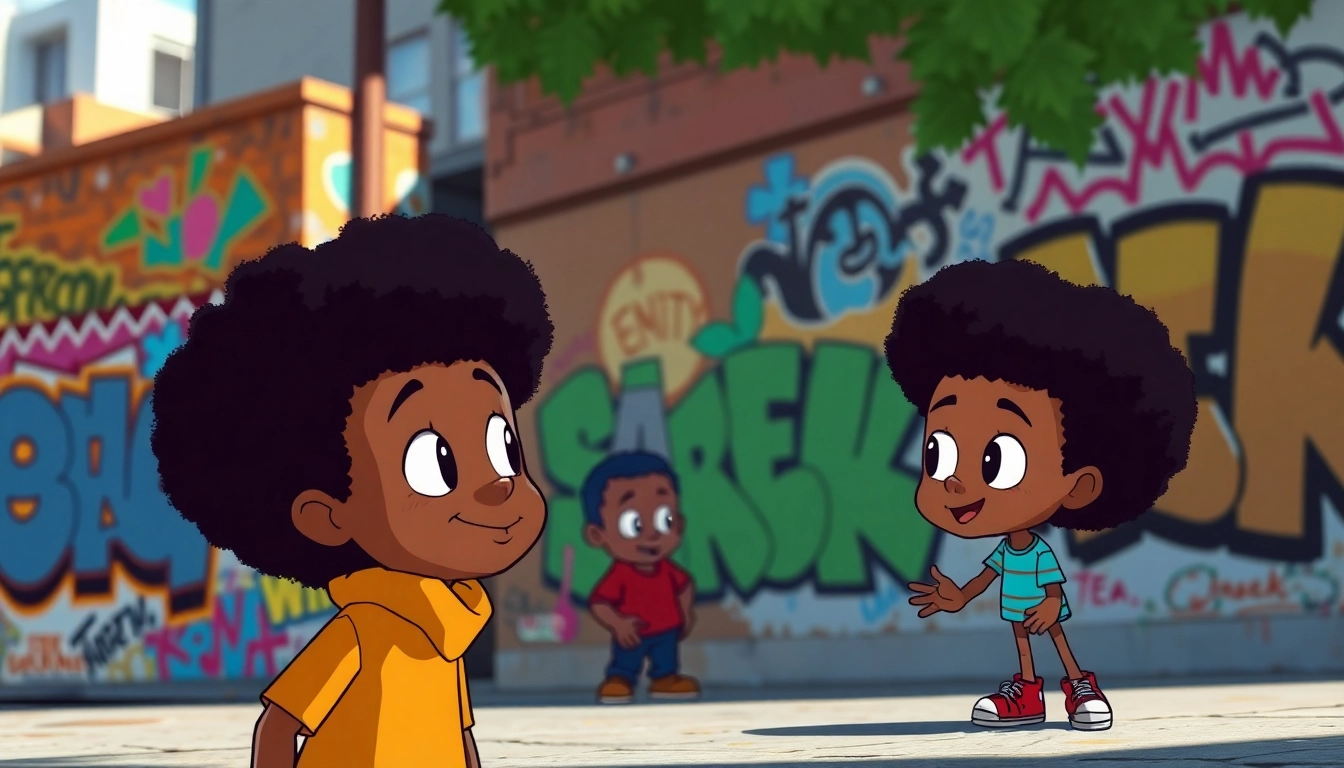

Understanding the Image to Prompt Landscape
In today’s digital age, the ability to seamlessly convert visual content into descriptive text has become a valuable asset across various industries. The technology behind image to prompt tools not only enhances creative workflows but also bridges the gap between visual stimuli and textual interpretation. With the rise of artificial intelligence and machine learning, these tools are increasingly used to generate detailed prompts that can guide creatives in their work, ranging from marketing to fashion design.
What is Image to Prompt Technology?
Image to prompt technology refers to the innovative capability of AI to analyze visual data and generate corresponding textual descriptions. This process involves complex algorithms that dissect the elements of an image—from colors and shapes to objects and contexts—transforming them into coherent and descriptive prompts. These prompts are not merely captions; they are designed to inspire further creative work, making them powerful tools for artists, content creators, and marketers alike.
Current Applications in Creative Industries
As the creative landscape evolves, industries such as advertising, fashion, and digital content creation are increasingly relying on image to prompt technology. For instance, marketing teams can use these tools to generate ad copy based on promotional visuals, ensuring that the messaging aligns with the visual identity of the brand. In fashion, designers can convert sketches or images of trends into descriptive prompts that outline the style elements for their collections, facilitating communication and collaboration among teams.
Key Trends Shaping the Future in 2026
Looking ahead to 2026, several trends are likely to shape the future of image to prompt technology. Firstly, the integration of augmented reality (AR) and virtual reality (VR) with AI will enhance how creatives interact with visual content. Furthermore, advancements in natural language processing (NLP) will enable more nuanced and contextually relevant prompts. Lastly, as ethical considerations around AI continue to gain attention, there will be an increased focus on developing responsible AI tools that promote fairness and inclusivity.
How Image to Prompt Works
Exploring the AI Behind Image Analysis
At the core of image to prompt technology is artificial intelligence, particularly deep learning models trained on vast datasets comprising images and their textual descriptions. These models learn to recognize patterns and features within images, allowing them to generate comprehensive descriptions. Techniques such as convolutional neural networks (CNNs) play a pivotal role in this analysis, enabling AI to interpret complex visual information efficiently.
Transforming Visuals into Descriptive Texts
The transformation of images into text involves a multi-step process. Initially, the AI analyzes the image to identify key features, such as objects, colors, and spatial relationships. It then constructs a narrative that encapsulates these elements, resulting in a prompt that accurately describes the image. For example, an image of a beach may yield a prompt like “A serene beach at sunset with golden sand and gentle waves, dotted with seashells.” This descriptive approach not only provides context but also sparks creativity in the viewer or creator.
Challenges and Solutions in Image to Prompt Conversion
Despite its advantages, image to prompt technology is not without its challenges. One significant issue is ensuring the accuracy of the generated prompts. Misinterpretations can lead to vague or misleading descriptions, undermining the tool’s effectiveness. To address this, ongoing advancements in AI training methods and user feedback integration are essential. Companies are increasingly adopting iterative improvement processes, where user input informs the algorithm’s learning, enhancing accuracy and user satisfaction.
Best Practices for Generating Effective Prompts
Techniques for Enhanced Descriptive Accuracy
To maximize the effectiveness of image to prompt tools, users should consider several best practices. Firstly, providing high-quality images with clear and prominent subjects can significantly enhance the AI’s ability to generate precise prompts. Additionally, users should experiment with different image types and compositions to understand the AI’s strengths and limitations better.
Common Mistakes to Avoid in Prompts
Common pitfalls include overloading prompts with excessive detail or failing to focus on key elements. While it’s important to be descriptive, clarity should remain a priority. Users should aim for a balance where prompts are informative yet concise, allowing for better readability and usability in creative projects.
Utilizing User Feedback for Improvement
Incorporating user feedback is crucial for the evolution of image to prompt technology. Businesses and developers can foster communities around their tools, encouraging users to share their experiences and suggestions. This feedback loop not only helps improve the accuracy of generated prompts but also enhances user satisfaction and promotes continued engagement with the technology.
Real-World Examples and Case Studies
Successful Use Cases in Marketing and Advertising
One prominent example of image to prompt technology in action is its use in digital marketing campaigns. Companies like Coca-Cola have experimented with AI-generated content to create engaging social media posts that resonate with their audience. By analyzing user-generated images, the AI can generate prompts that align with current trends, resulting in timely and relevant marketing materials.
Innovative Applications in Fashion Design
In the fashion industry, brands are leveraging image to prompt technology to streamline their design processes. For instance, a well-known fashion house recently utilized AI to convert runway images into descriptive prompts that informed their next collection. This approach allowed designers to quickly grasp the prevailing styles and adapt them to their creative vision, ultimately expediting the design cycle.
Case Study: Image to Prompt in Social Media Campaigns
A case study involving an up-and-coming cosmetics brand highlights the potential of image to prompt technology in social media marketing. By using an AI tool to generate engaging prompts from user-uploaded images of makeup looks, the brand successfully increased user interaction and brand loyalty. The generated prompts were used in contests and promotional material, creating a vibrant online community centered around user creativity.
The Future of Image to Prompt Technology
Predictions for 2026 and Beyond
As we look to 2026, the future of image to prompt technology seems promising. With continuous advancements in AI, we can expect enhanced capabilities, including real-time image analysis and the ability to generate multi-modal outputs that combine text, images, and even sound. This evolution will enable richer storytelling and more immersive experiences across various digital platforms.
Integrating with Other Creative Technologies
The integration of image to prompt technology with other creative tools is likely to become a standard practice. Innovations such as AI-driven video editing, real-time 3D modeling, and collaborative design platforms will all benefit from seamless integration with image to prompt capabilities. This synergy will empower creatives to produce high-quality content efficiently and effectively.
Preparing Your Skills for Future Developments
To stay ahead in the rapidly evolving landscape of image to prompt technology, creatives must continuously develop their skills. Embracing ongoing learning opportunities, attending workshops, and engaging with the latest AI tools will be essential. Building a robust understanding of how to leverage these technologies will position individuals and teams for success in their creative pursuits.
What are the benefits of using image to prompt technology?
The benefits of employing image to prompt technology are extensive. It enhances productivity by streamlining the creative process, fosters innovation by introducing new ideas, and improves consistency in messaging across various platforms. Moreover, it enables users to communicate visual ideas more effectively, fostering collaboration and creativity.
How can I implement image to prompt in my projects?
Implementing image to prompt tools in your projects can be straightforward. Start by selecting a reliable AI tool that suits your specific needs. Experiment with different workflows, such as using generated prompts to guide your content creation or integrating them into your marketing strategy. Additionally, keeping abreast of updates in AI technology will help you maximize your efforts.
What common challenges do users face with image to prompt tools?
Users often encounter challenges such as inaccuracies in generated prompts and difficulties in understanding the AI’s limitations. To mitigate these issues, users should familiarize themselves with the tool’s capabilities and provide detailed images that will yield better results. Ongoing engagement with feedback mechanisms will also help refine the outputs.
Are there any free tools available for image to prompt?
Yes, a variety of free tools are available for generating prompts from images. These tools often provide basic functionalities that allow users to explore the potential of image to prompt technology without financial commitment. As the technology continues to advance, more free options are likely to emerge, making it accessible to a broader audience.
How does image to prompt affect creative workflows?
Image to prompt technology significantly enhances creative workflows by reducing the time spent on generating descriptive text. This efficiency allows creatives to focus more on conceptualization and execution, thereby increasing overall productivity. Moreover, it encourages experimentation with new ideas, pushing the boundaries of conventional creative processes.