
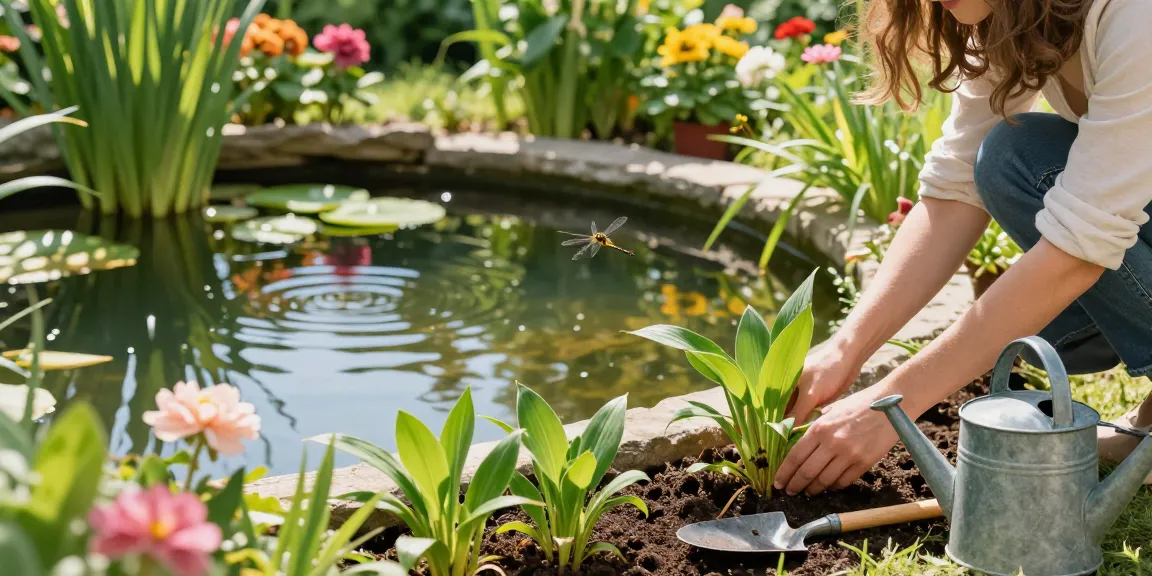
Understanding Aquatic Plants for Your Pond
Adding aquatic plants to your pond not only enhances its aesthetic appeal but also plays a crucial role in maintaining a healthy ecosystem. When it comes to caring for your pond, Buy Pond Plants Online can be a convenient way to explore a wide variety of options suitable for your needs. Aquatic plants provide numerous benefits, from improving water quality to providing habitats for wildlife, making them an essential component of any pond garden.
The Benefits of Aquatic Plants
Aquatic plants offer a plethora of benefits that contribute to both the visual and ecological quality of your pond. Firstly, they help oxygenate the water, which is vital for the health of fish and other aquatic life. Furthermore, these plants absorb excess nutrients and pollutants, preventing algae blooms that can harm fish and other organisms. The presence of aquatic plants also provides shelter and breeding grounds for various species, promoting biodiversity within your pond.
Types of Essential Pond Plants
When selecting plants for your pond, consider the different categories of aquatic plants:
- Submerged plants: These plants grow entirely underwater and are essential for oxygen production. Examples include hornwort and eelgrass.
- Floating plants: These plants float on the water’s surface, providing shade and reducing algae growth. Water lilies and duckweed are popular choices.
- Emergent plants: These plants grow at the water’s edge or in shallow areas, stabilizing the bank and reducing erosion. Cattails and bulrushes are common examples.
How Aquatic Plants Improve Pond Health
By incorporating a mix of submerged, floating, and emergent plants, you can create a balanced ecosystem. These plants work synergistically to filter the water, thus enhancing clarity and reducing the need for chemical treatments. They provide essential cover for fish, helping to keep them safe from predators while promoting natural behavior.
Choosing the Right Pond Plants
When it comes to selecting the right pond plants, several factors come into play. Understanding your pond’s specific conditions, such as depth, sunlight exposure, and existing wildlife, is crucial for selecting the best candidates. Moreover, buying plants that are suited to your climate zone can enhance their chances of thriving.
Factors to Consider When Buying Pond Plants Online
Before making a purchase, assess the following factors to ensure your pond plants will flourish:
- Sunlight: Determine how much sunlight your pond receives daily to choose plants that will thrive in those conditions.
- Water depth: Choose plants appropriate for the different depths of your pond – some prefer shallow areas, while others thrive in deeper waters.
- Temperature and climate: Select plants that are native or well-adapted to your local climate to ensure better survival rates.
Native vs. Non-Native Plant Varieties
Choosing between native and non-native species can significantly affect your pond’s ecosystem. Native plants are adapted to the local climate and soil, making them more resilient and beneficial for local wildlife. Non-native species, while sometimes more visually appealing, can become invasive and disrupt the balance of your pond’s ecosystem. Always opt for native varieties when possible to support local biodiversity.
Common Mistakes to Avoid When Ordering
Before making your online purchase, avoid these common pitfalls:
- Not verifying the plant’s hardiness zone, which may result in selecting plants that won’t survive your local climate.
- Purchasing too many plants for your pond size, which can lead to overcrowding and competition for resources.
- Overlooking the growth rates of different plants, leading to unexpected maintenance challenges later on.
Care and Maintenance of Pond Plants
Once you’ve selected your pond plants, proper care and maintenance are vital to ensure their health and longevity. Understanding their specific needs will help create a flourishing pond environment.
Best Practices for Planting and Positioning
When planting, consider the following strategies:
- Spacing: Give each plant enough room to grow; overcrowding can lead to stunted growth and increased disease risk.
- Planting depth: Ensure that submerged and emergent plants are planted at suitable depths to mimic their natural habitat.
- Soil quality: Use a suitable planting medium with adequate nutrients for aquatic plants, avoiding regular garden soil which can cloud the water.
Seasonal Care Tips for Aquatic Plants
Different seasons require different care. In spring, be sure to divide and replant overcrowded species. During the summer, watch for algae growth and remove excess nutrients. In the fall, trim back dead foliage to prevent decay and maintain water quality through winter. Each season offers a unique opportunity to engage with your pond and enhance its health.
How to Deal with Common Pond Plant Issues
Pond plants can face various challenges, including:
- Algae blooms: Regular maintenance and proper plant selection can help mitigate this issue. Ensure your plants are adequately spaced and healthy.
- Pests and diseases: Monitor plants for signs of trouble and remove infected areas to prevent spread.
- Invasive species: Regularly check your pond for unwanted species and take steps to remove them before they take over.
Enhancing Your Pond’s Aesthetic Appeal
Your pond can serve as a stunning centerpiece in your garden. With thoughtful design and plant choices, you can create an oasis that reflects your personality and enhances your outdoor space.
Design Tips for a Beautiful Pond Garden
To craft a visually appealing pond garden:
- Layering: Use plants of varying heights to create a dynamic landscape.
- Color coordination: Match plant colors with surrounding flowers and garden décor for a cohesive look.
- Natural elements: Incorporate rocks, driftwood, or sculptures to enhance the natural beauty of your pond.
Complementing Pond Plants with Decorative Elements
Integrating decorative features can elevate your pond’s elegance. Consider adding:
- Waterfalls: A small waterfall adds movement and sound, attracting birds and enhancing oxygen levels.
- Lighting: Underwater or surrounding lights can highlight your pond’s beauty during the evening hours.
- Seating areas: Create spaces for relaxation by adding benches or chairs near the pond.
Showcasing Your Pond: Photography Tips
If you want to capture the beauty of your pond, consider these photography tips:
- Golden hour: Shoot during early morning or late afternoon for softer lighting.
- Angles: Experiment with different perspectives to find the most flattering angles for your plants and water.
- Editing: Use photo editing software to enhance colors and correct any imbalances.
Future Trends in Pond Gardening
The future of pond gardening is ever-evolving, shaped by environmental concerns, aesthetics, and technological advancements. Staying informed about trends can help you create a sustainable and beautiful pond.
Emerging Plant Varieties for 2026 and Beyond
As gardening trends shift, new varieties of aquatic plants may emerge. Keep an eye out for:
- Hybrid plants: These may offer better disease resistance and unique aesthetics.
- Low-maintenance options: Plants that require less care will appeal to busy gardeners looking for ease.
- Aquaponics-friendly plants: Expect to see more varieties that thrive in aquaponic systems, promoting sustainable gardening.
Eco-Friendly Practices for Sustainable Pond Care
As environmental awareness grows, eco-friendly pond practices are becoming mainstream. Simple strategies include:
- Natural pest control: Use beneficial insects and organic solutions instead of chemicals.
- Rainwater harvesting: Collect and use rainwater to fill your pond, reducing reliance on treated water.
- Native plant selection: Focus on native species, which require less water and support local wildlife.
Influence of Climate Change on Aquatic Plant Choices
Climate change is impacting plant choices as gardeners adapt to shifting temperatures and weather patterns. Stay informed about:
- Heat tolerance: Select plants that can thrive in warmer temperatures and withstand periods of drought.
- Flood-resistant varieties: Be prepared for extreme weather by choosing plants that can handle water fluctuations.
- Seasonal shifts: Anticipate changing growth cycles that may shift when to plant certain species.
What types of pond plants are available for purchase?
When you decide to buy pond plants online, you will find a variety including submerged, floating, and emergent plants. Each type plays a specific role in maintaining the ecosystem of your pond.
How do I choose the right plants for my pond?
Selecting the right plants involves considering your pond’s depth, the amount of sunlight it receives, and the overall aesthetic you wish to achieve. Native plants are typically the most resilient choice.
What maintenance do pond plants require?
Maintenance includes regular pruning, monitoring for pests, ensuring nutrient levels are balanced, and seasonal care adjustments. Healthy plants will require less intervention overall.
Are there specific plants that attract wildlife?
Yes! Native plants tend to attract birds, frogs, and beneficial insects, helping to create a thriving ecosystem that enhances your pond’s biodiversity.
Can I grow pond plants in containers?
Container gardening is a practical option, especially if space is limited. Ensure that containers have drainage holes and are suitable for aquatic plants to thrive.